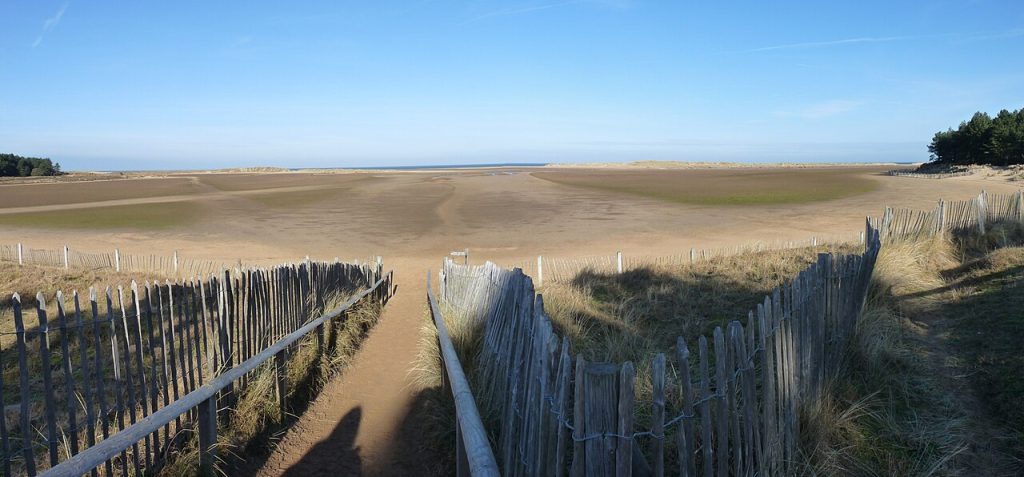
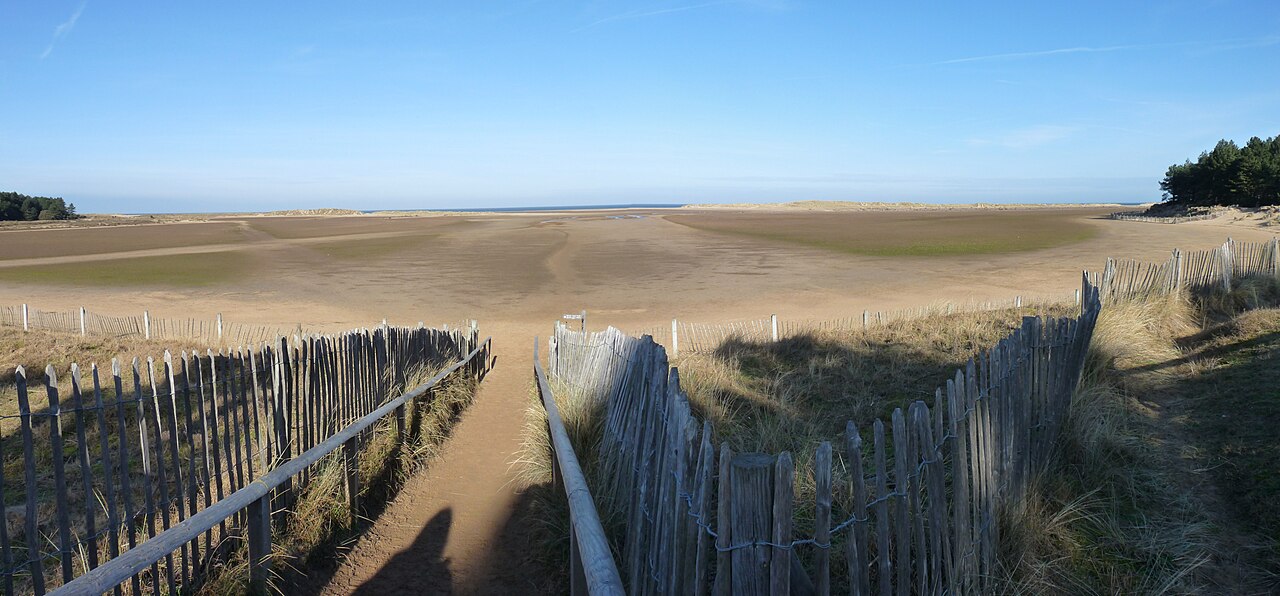

Dog friendly new year breaks come with a problem that no other holiday weekend quite matches, because the RSPCA, citing a 2025 Savanta poll, puts it at 60% of dogs in distress when fireworks go off, and New Year's Eve is a night when private displays are common wherever you stay. The good news is that most of the trouble can be planned out before you ever turn the key in the cottage door, which is what the rest of this guide is for, covering where to stay, where to walk on 1 January, and how to keep a nervous dog settled when the sky starts banging.
If your travelling companion is more of the purring, windowsill-occupying variety, most of this applies to cats too, since the RSPCA notes that cats and dogs both hear across a wider range than we do and with higher sensitivity.
Table of Contents
Why Dog Friendly New Year Breaks Need Different Planning
A summer cottage week is mostly about mud, sand and whether the fence is high enough, whereas a New Year week is mostly about noise, and noise is a harder thing to build a plan around because you don't control it. The RSPCA says fireworks can produce sound of 120-175 decibels, and for comparison it points out that sounds over 85 decibels can damage human hearing, so it is not a surprise that a dog who spends the evening pressed against the back of the sofa is telling you something real.
The practical advice from the RSPCA's firework guidance for pets is refreshingly unglamorous, and all of it translates directly into a holiday cottage once you know to look for it:
- Walk your dog during daylight hours, so the long walk is done before anything is likely to be set off.
- Create a safe space such as a den with favourite toys, which means packing the actual bed and blanket from home rather than trusting the cottage to provide one.
- Close windows and curtains to muffle the sound, and block the light if you can so the flashes are less visible.
- Put on some music or the television, and make sure your dog cannot escape.
- Check your dog is microchipped in case they bolt, and never take them to a fireworks display.
None of that is difficult, but on dog friendly new year breaks it does shape which property you choose, and that is where most people get caught out, usually while scrolling through photographs of a very handsome wood burner and forgetting to ask about the curtains.
Choosing a Cottage for a Nervous Dog
For dog friendly new year breaks the useful questions are different from the ones you'd ask in July. Lined curtains or shutters matter more than a sea view, a secure, enclosed garden matters because the RSPCA's advice is to make sure your dog cannot escape, and a quiet room away from the road, where a den can sit without people walking past it all evening, matters more than the number of bedrooms. The dog-friendly cottages with a secure garden page is a sensible starting filter for the first of those.
Location matters in a less obvious way, because a cottage with few neighbours tends to sit further from the private displays that go off on New Year's Eve, although tends is the honest word here and nobody can promise silence. Our guide to remote dog friendly cottages is where to look if distance from the nearest village is your priority, and a woodburner earns its place in January in a way it never does in August, since a warm room at the end of a cold walk is half of what makes a dog settle.
Pet fees and deposits are worth checking before you pay for dog friendly new year breaks of any kind, as some properties charge both, and the BowWow Score lays out the fee and access terms in one place so you are not chasing an owner by email on 30 December.
Where to Walk on 1 January
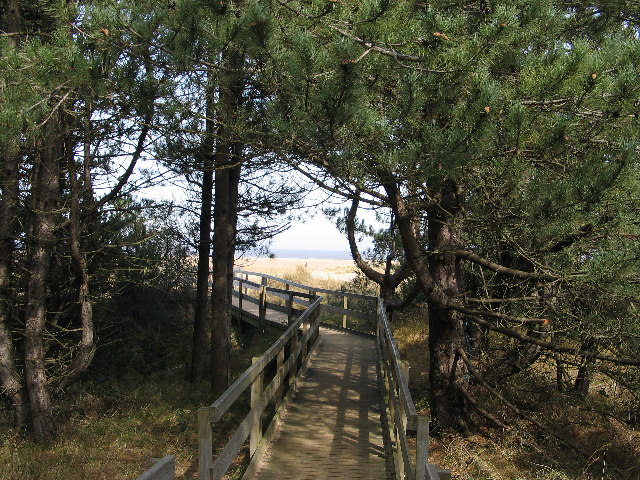
The morning after is the best part of dog friendly new year breaks, partly because the fireworks are over and partly because beaches and coast paths are at their quietest, and two places that suit a dog well at this time of year are worth knowing about.
Holkham, Norfolk
Holkham is a good winter bet because the Holkham estate's seasonal zoning only runs from 1 April to 31 August, so in January the whole beach is available, and even in the breeding season the estate says over 70% of the beach stays open for walking off lead under close control. The reason for the zoning is ground-nesting birds, which is why the Holkham estate puts roped cordons around the most sensitive areas in summer, and our full Holkham beach guide covers parking, the café and the stretch toward Wells, where the rules are different.
Pembrokeshire
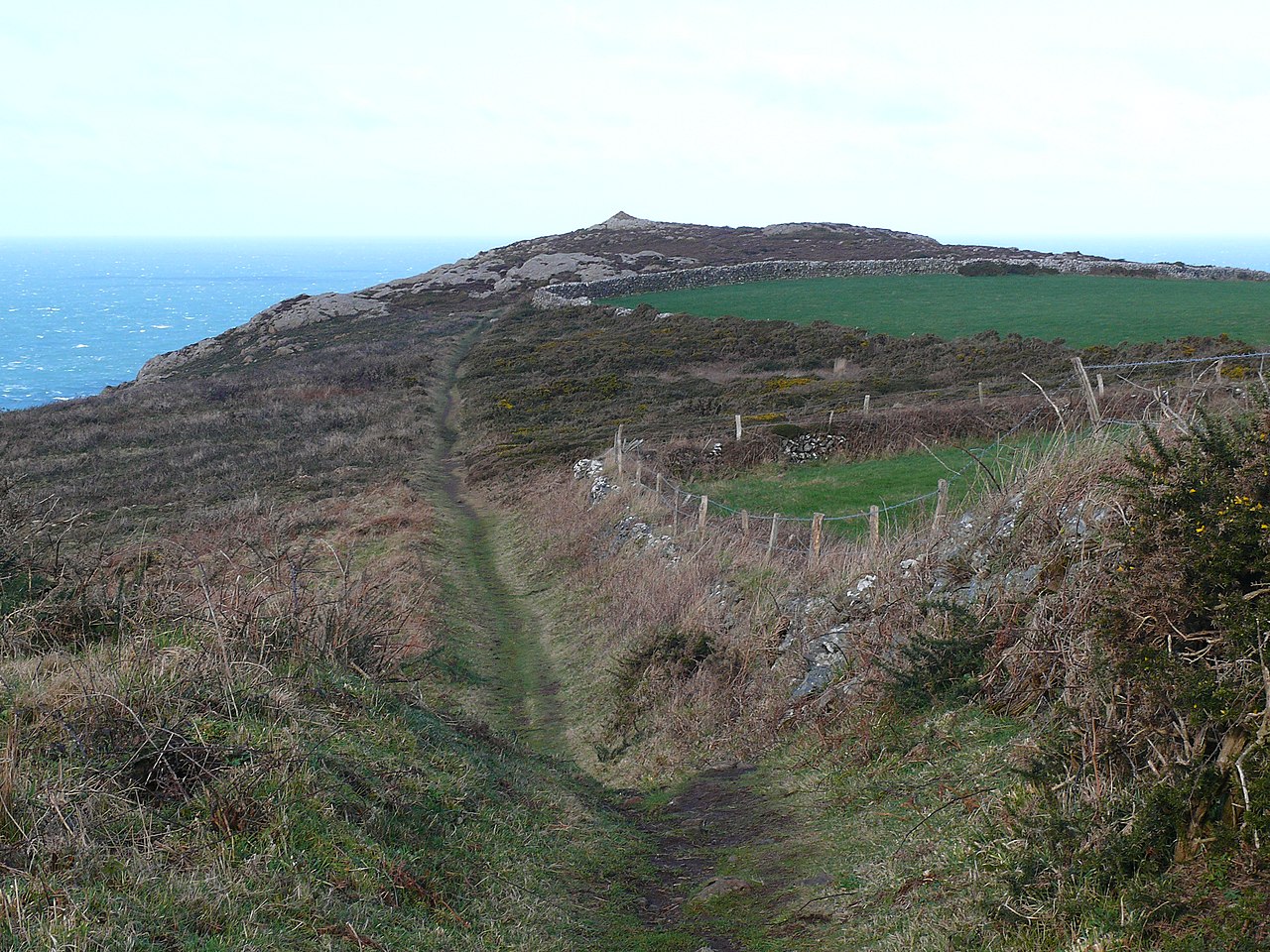
The Pembrokeshire Coast Path runs for 186 miles according to the National Trails website, which also describes it as having something to offer all year round, and it is a sensible base for dog friendly new year breaks with a dog that needs a long unhurried walk to burn off pre-midnight nerves. Several of the beaches along it are covered in our guide to dog friendly beaches in Pembrokeshire, and it is worth checking each one's access rules before you set off, since they vary beach by beach.
If neither of those suits, the same winter logic is laid out for the whole country in our winter dog holiday guide, and anyone choosing between a New Year week and the festive stretch before it can compare notes with our Christmas cottage guide.
Short Days, Cold Paws

Winter daylight is short on dog friendly new year breaks, which squeezes the RSPCA's advice to walk in daylight into a smaller window than you'd have in summer, so the sensible plan on 31 December is a long walk in the middle of the day, a proper dinner for the dog, and everyone indoors with the curtains drawn well before dusk. Muddy paws are a given, so a towel by the door and an old blanket for the sofa will save an argument with the cottage owner, and our packing list for a dog holiday covers the rest, including the things you only remember at the first service station.
Most dogs cope better when the evening feels ordinary, so keep to the usual feeding and bedtime routine, stay calm yourself, and resist the urge to shout at a frightened dog, which the RSPCA specifically advises against. If your dog has a serious phobia, speak to your vet well ahead of the trip, because the RSPCA notes that pheromone diffusers may help and that medication can be prescribed in some cases.
FAQ
Are dog friendly new year breaks a good idea if my dog hates fireworks?
They can be, provided the cottage is chosen for the dog rather than the view, with lined curtains, a quiet room for a den and a secure garden. The RSPCA's advice of walking in daylight, closing windows and curtains and masking the noise with music or television all works just as well in a rental as at home, and a remote location can reduce how many displays you hear, although it cannot rule them out.
Should I take my dog to a New Year fireworks display?
No, and the RSPCA says so directly. Its guidance is not to take a dog to a fireworks display, not to tie a dog up outside and not to leave one in a car or outside a shop while you watch, because the noise and the inability to escape make a frightened dog far more likely to bolt.
Which beaches are open to dogs in January?
Many are, though rules differ by beach and by local authority, so check the individual page before travelling. Holkham in Norfolk is a clear example, since its dog zoning only applies between 1 April and 31 August and the whole beach is open outside those dates, but other beaches have their own arrangements and the beach authority's own page is the one to trust.
How do I know a cottage really welcomes dogs?
Look for the small attentions, such as a towel for muddy paws, water bowls, notes on local walks and a secure garden, because properties that list those details have usually thought about a dog's visit rather than adding a line to the description. The BowWow Score rates properties on exactly that difference between a genuine welcome and grudging tolerance.