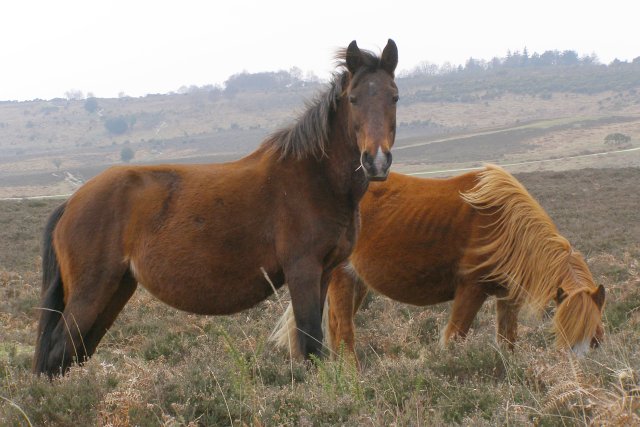
Off-lead dog walks New Forest are some of the most distinctive in England, and not only because of the landscape. Around 219 square miles of ancient woodland, open heathland and valley mires make up the National Park, and sharing it with approximately 5,000 ponies and 3,000 cattle gives dog walking here a different texture from anywhere else in the country. These animals are not behind fences or across stiles: they are on the same paths, in the same clearings where your dog is running, sometimes around the corner before you have noticed them.

That doesn't make off-lead dog walks New Forest impossible. But it does mean the rules here are worth understanding before you arrive, because they are genuinely different from anywhere else.
Table of Contents
What Off-Lead Actually Means Here
The New Forest does not operate on a single law governing dogs, but on a voluntary code backed by every organisation on the New Forest Dogs Forum, including the National Park Authority itself. The New Forest Dog Owners Group walking code is worth reading before a first visit, because "voluntary" does not mean optional: the commoners who graze these animals have done so for centuries, and the land is managed around their rights rather than dog owners' preferences.
Three practical rules cover most situations. Lead near sheep at all times, because sheep on common land are not pets and a dog loose near them creates both a legal and welfare problem regardless of breed or temperament. Lead in car parks and alongside roads, where animals also roam freely. And on heathland between March and August, keep dogs to the main paths rather than ranging through the scrub, because ground-nesting birds including the nightjar, Dartford warbler and curlew nest in the low vegetation, and a dog moving fast through the undergrowth makes short work of a nest that took weeks to establish.
The cattle rule is genuinely counter-intuitive, and worth knowing before you encounter it rather than after. If a group of cattle approaches while your dog is on a lead, the guidance from the New Forest National Park Authority is to release the dog, step sideways away from the herd, and call the dog back once the animals have moved on. A dog held on a tight lead when cattle approach tends to panic and pull, which escalates the situation; releasing the dog removes the point of tension, and keeping reliable recall is what makes off-lead dog walks New Forest consistently worthwhile rather than anxious.
Bolderwood
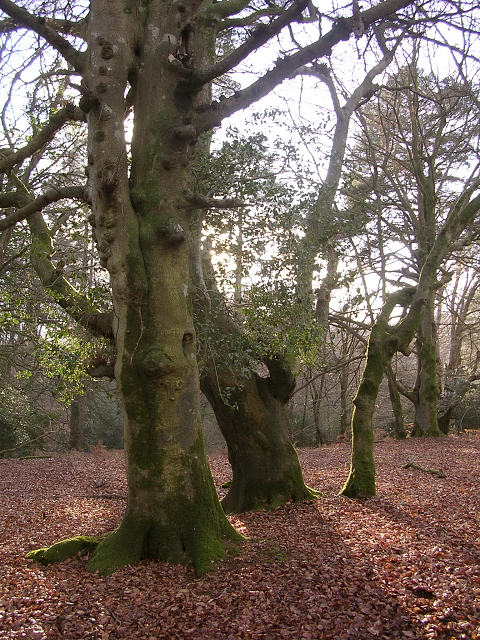
The Radnor Trail
Bolderwood is in the heart of the northern forest, signposted from the A31, and it is where most dog owners end up sooner or later on a New Forest trip. The Radnor Trail covers 1.9 miles of mixed woodland, moving through sweet chestnut, oak and beech, passing Bratley Water, and ending at the Bolderwood deer viewing platform where fallow deer are resident in the surrounding forest and regularly seen from the platform, particularly in the early morning and at dusk. The woodland between the trailhead and the platform is the main off-lead stretch, with enough tree cover and path width that dogs can range properly without constantly coming within range of livestock.
The platform area itself is where you would bring a dog back on a lead: the deer are close, visitors gather, and the open ground around the viewing point is exactly the kind of place where an otherwise reliable dog decides this is the moment to test the limits of their recall.
The Beaulieu Valley
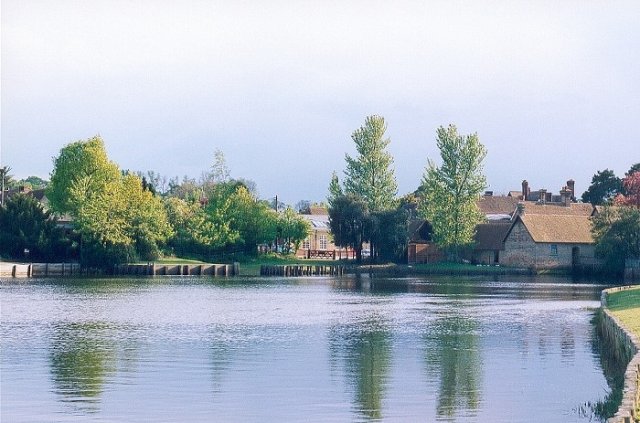
Beaulieu to Buckler's Hard
The route from Beaulieu village to Buckler's Hard follows the Beaulieu River south for 2 miles through managed woodland on the Beaulieu Estate, ending at the 18th-century shipbuilding hamlet where timber-framed warships for Nelson's navy were built and launched. The woodland section is the main off-lead stretch, running alongside the river bank with enough width and shade to make it a proper walk rather than a lane, and the Beaulieu River itself gives dogs the option of a swim if the mood takes them.
Buckler's Hard sits at the point where the river opens into the estuary, and the hamlet itself is small enough that a lead there is sensible, with visitors on the main street and the estuary bank drawing people to the waterside. The walk back through the woodland covers the same ground in reverse, which sounds like it should feel repetitive but rarely does on a river route, especially if a dog has spent the first leg in the water.
For those who want a longer day, the Beaulieu Estate has additional paths through the managed woodland that extend the walk considerably.
Hatchet Pond
Hatchet Pond is the largest body of freshwater in the New Forest, sitting on the B3055 southeast of Beaulieu, and circular routes around it give dogs open running on a mix of short grass and track without the heathland bird restrictions that apply to the drier areas. The pond itself is the main draw: dogs who swim will find it easy to get in and out from the grassy margins, and in summer the water is warm enough that you'll spend longer here than planned while your dog works out whether one lap of the pond is sufficient or whether three would be better.
If you're already at Buckler's Hard, Hatchet Pond is less than ten minutes by car and works well as a second stop on the same afternoon, swapping the river and woodland of the first walk for open water and short grassland.
Around Brockenhurst
The area around Brockenhurst has two enclosures that work well for off-lead dog walks New Forest, both easier to manage than the open heathland because the forest boundaries reduce how often livestock appear on the path.
Setthorns Enclosure
Setthorns is a forestry enclosure south of Brockenhurst with well-maintained trails through dense mixed woodland that opens onto heathland on the southern edge. The route comes in at 3 to 5 miles depending on which paths you take, making it the longest option in this guide and genuinely useful for a dog that has spent too much of a holiday weekend in the car and needs a proper hour of exercise rather than a token circuit. The maintained forest tracks are wide and clearly marked, reducing the likelihood of a sudden livestock encounter, and the transition to heathland on the southern edge gives a change of terrain without leaving the enclosure's more managed environment.
Beaulieu Road Station Inclosure
A smaller and quieter option than Setthorns, the 2-mile walk from the Beaulieu Road Station Inclosure car park suits a shorter visit or a dog that needs exercise without the full distance of the longer forest walks. It is also one of the few spots in the New Forest accessible without a car, if you are staying somewhere on the Lymington branch line from Brockenhurst, because the Beaulieu Road halt is still active, though trains are infrequent and worth checking before you build a walk around the timetable.
A Note on the New Forest Ponies
A brief note that comes up in practice rather than in the guidelines: New Forest ponies look approachable, and some of them are remarkably unbothered by dogs, but they can kick, they can bite, and a dog that decides to investigate a foal in summer creates a welfare and safety problem at the same time. The ponies belong to the commoners, not to the National Park, and they have been grazing these forests since before anyone was issuing guidance. The rule is the same as for cattle: give them a wide berth, call the dog in or lead past, and keep moving.
Key Rules for Off-Lead Dog Walks New Forest
- Sheep: lead on, always, regardless of breed or temperament
- Car parks and alongside roads: lead on
- Heathland, March to August: main paths only (ground-nesting birds)
- Cattle approaching: release the dog, step away, call back once they have passed
- The code is voluntary but supported by every organisation in the New Forest Dogs Forum
Finding a Place to Stay
If you are building a trip around off-lead dog walks New Forest, the BowWowsWelcome listings search covers pet-friendly cottages across the region. Check the BowWow Score to find properties that go properly beyond "dogs tolerated." For more in this series, the Devon guide and North Wales guide cover those regions in the same format.
FAQ
Do dogs have to be on leads throughout the New Forest?
Off-lead dog walks New Forest are possible throughout much of the area, but the exceptions are specific enough to be worth knowing before you arrive. Lead near sheep at all times, in car parks, and alongside roads. On heathland, stay on the main paths between March and August to avoid disturbing ground-nesting birds. The voluntary dog walking code covers most other situations, with the expectation that dogs remain under close control near livestock regardless of formal rules.
What do I do if New Forest ponies or cattle approach my dog?
Release the dog from the lead if you can do so safely, step away from the animals, and call the dog back once the herd has moved on. Holding a dog on a tight lead when cattle or ponies approach increases the dog's anxiety and can make the encounter harder to manage. Keep moving and give the animals space.
Are there off-lead forest walks near Brockenhurst?
Yes. Setthorns Enclosure is the most substantial option near Brockenhurst, at 3 to 5 miles, with well-maintained trails through mixed woodland and heathland. The Beaulieu Road Station Inclosure is a smaller, quieter alternative nearby. Both make good base options for a day of off-lead dog walks New Forest without the open-heathland livestock complications.
How do I avoid disturbing livestock on New Forest walks?
You cannot reliably plan a route without encountering livestock, because that is the nature of the common land. What helps is walking near known enclosures such as Bolderwood, Setthorns and the Beaulieu Estate tracks, where forest boundaries reduce how often animals appear on the path, keeping reliable recall as a non-negotiable baseline, and sticking to main paths on open heathland during the bird nesting season. Treated as a managed freedom rather than a default, off-lead dog walks New Forest offer dogs space that few other English destinations can match.