You're standing on an empty beach in November, your dog tearing across the sand like they've never seen the sea before, and there isn't a "no dogs" sign in sight. That's the case for a winter dog holiday UK trip: the restrictions lift, the crowds vanish, and the places that felt off-limits in July suddenly roll out the welcome mat.
Most people think of dog holidays as a summer thing. Book a cottage in Cornwall, find a beach that allows dogs before 9am, hope the weather holds. But winter flips the script in ways that genuinely work better for dogs and the people attached to them. None of that's an accident, and it's a big part of why a winter dog holiday UK trip has quietly become the better booking than the summer scramble.
Table of Contents
Why a Winter Dog Holiday UK Trip Means Beaches Without the Bans
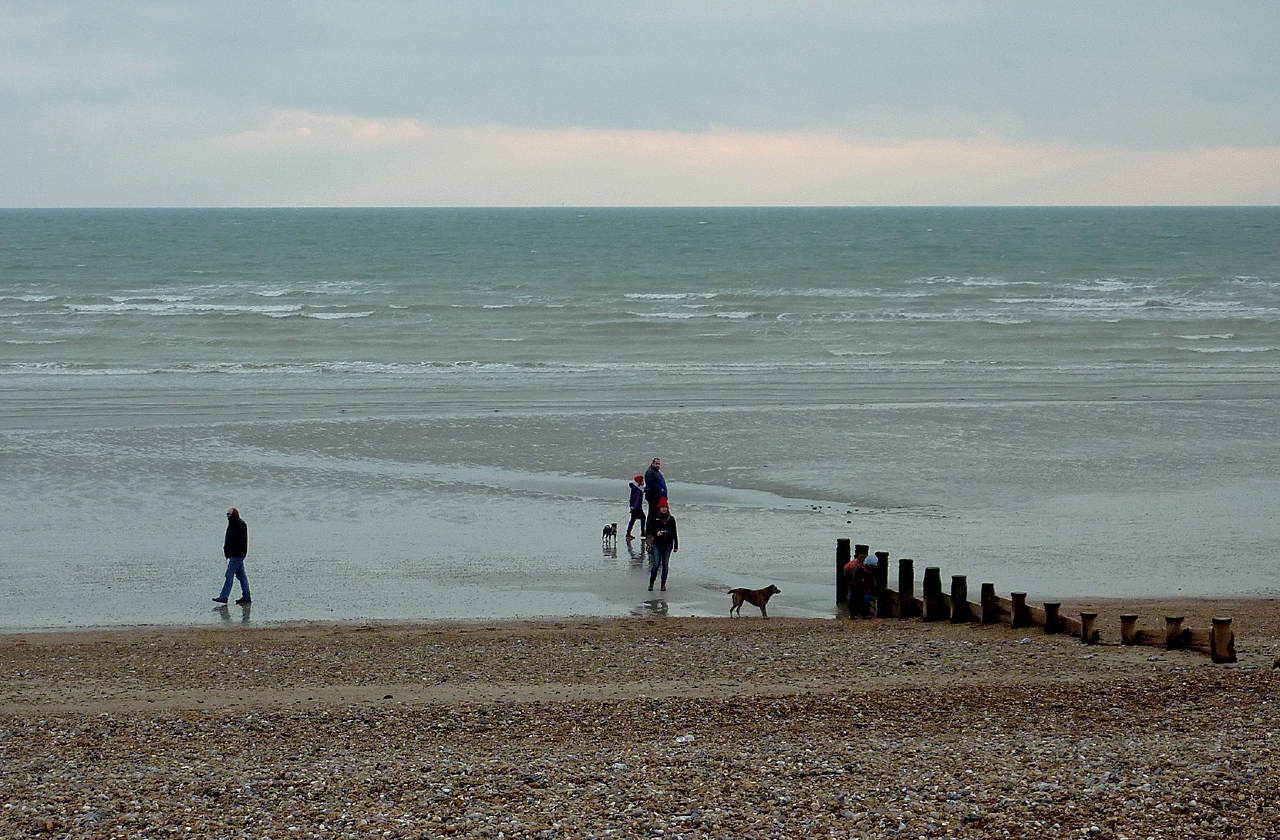

The single biggest advantage of a winter dog holiday is beach access. Most UK beaches that restrict dogs do so between May and September (sometimes Easter to October, depending on the council). Outside those months, you've got the run of the place. That single change in the rules is the main reason a winter dog holiday UK break beats waiting for summer.
That means beaches like Woolacombe in Devon, Porthmeor in St Ives, and Whitby West Cliff in Yorkshire go from "dogs on lead, restricted hours, specific zones" to "do what you like." Your dog can sprint, dig, roll in something unfortunate, and generally be a dog without you checking the signage every thirty seconds. It's the sort of freedom that makes a winter dog holiday UK visit to the coast feel like a different country.
Cornwall's north coast is particularly good for this. Beaches like Harlyn Bay, Constantine Bay, and Perranporth are all unrestricted through winter, and the surf in those months can be spectacular to watch from a clifftop walk. If you're heading to Devon, check our guide to dog-friendly beaches you can visit year round for spots that never restrict access at all.
The Walks Get Better
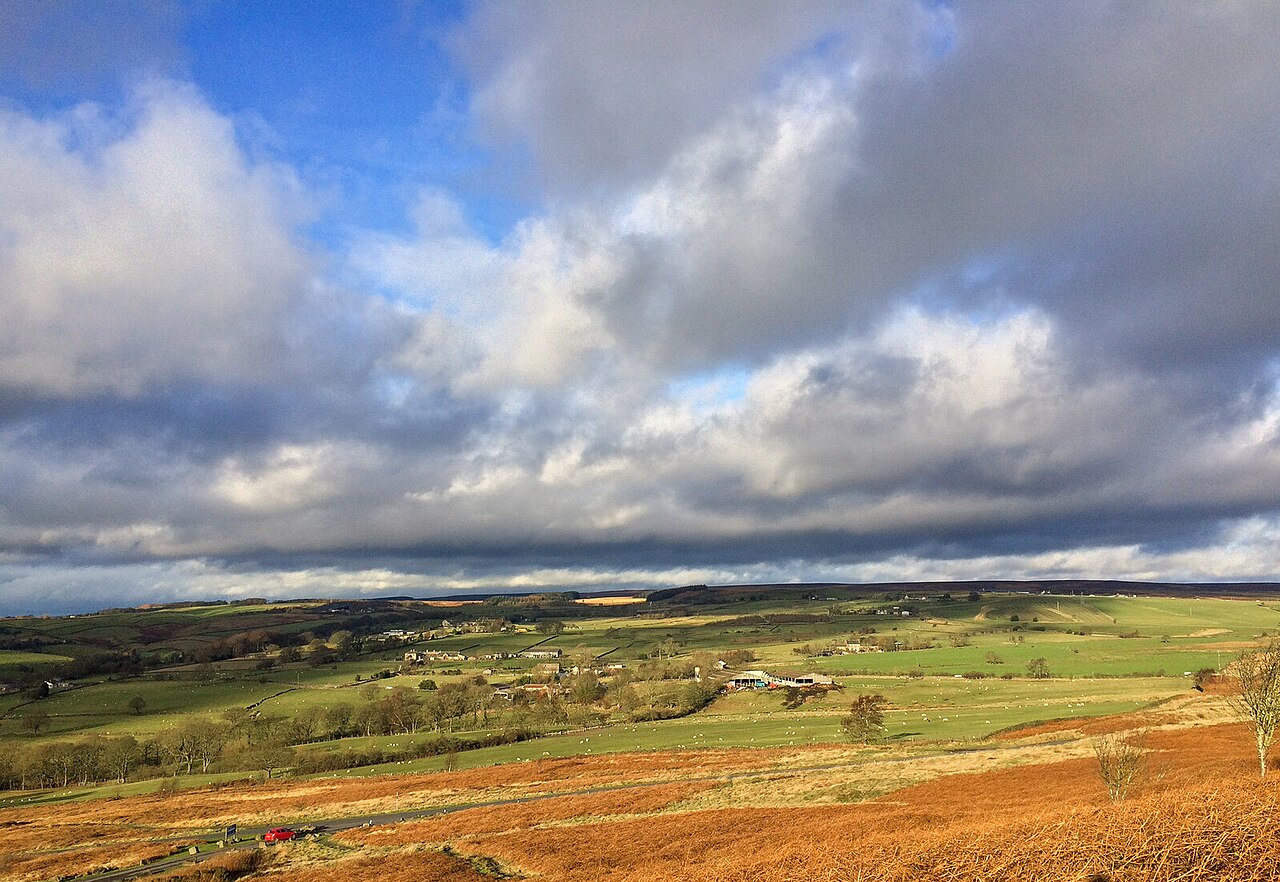

This sounds counterintuitive, but winter walking with a dog is often more pleasant than summer walking with a dog. No overheating (yours or theirs), fewer ticks, quieter trails, and that particular quality of low winter light that makes even a familiar landscape look different.
The Lake District in November or January is a different place from the Lake District in August. Paths that had queues now have nobody. The fells have frost on them. Your dog is in their element because, let's be honest, most dogs prefer cold to hot. A Labrador in 28-degree July heat is not a happy Labrador. That same Labrador in a crisp February morning? Unstoppable. Put it all together and a winter dog holiday UK getaway often suits the dog better than it suits the human, at least until the flask of tea kicks in.
For off-lead walks, the Lake District and Cornwall both have solid options we've written up: off-lead walks in the Lake District and off-lead walks in Cornwall. Both work beautifully in winter, though you'll want decent boots and a head torch if you're out past 3:30pm.
Snowdonia is another winter favourite for confident walkers. The lower routes around Betws-y-Coed and the Mawddach Estuary trail stay accessible through most of the season, and the scenery with snow on the peaks is hard to beat. Just keep your dog on a lead near sheep, which is the law in Wales regardless of season.
What to Look for in a Winter Cottage
Not all dog-friendly cottages are created equal in winter. In summer, a garden and proximity to a beach might be enough. In winter, you want a few specific things.
A wood-burning stove or open fire makes an enormous difference. After a wet walk in December, there's nothing like a dog stretched out in front of a fire, steaming gently, while you sit behind them with a cup of tea. Some properties supply firewood, others charge extra, and a few have decorative fires that aren't connected to anything. Check before you book. Get these details right and you've got the makings of a proper winter dog holiday UK stay rather than a merely tolerable one.
An enclosed garden matters more in winter than summer. When it's dark by 4pm and your dog needs one last trip outside before bed, you don't want to be putting on boots and a coat for a walk down an unlit lane. A secure garden where they can nip out and back is worth its weight. It's a small thing, but it's exactly the kind of detail that decides whether a winter dog holiday UK evening feels relaxed or like a running battle with wellies.
A dog washing station or even just an outdoor tap with a towel is worth looking for. Winter mud is on another level compared to summer mud, and if you've ever tried to get a spaniel clean using a bathroom shower, you know why this matters.
We rate all our listed properties with a BowWow Score that covers exactly these kinds of details, from garden security to washing facilities to how many dogs are welcome.
The Cold Weather Question
There's a practical side to winter holidays that's worth addressing honestly: not every dog does well in the cold. It's worth thinking through honestly before you commit to a winter dog holiday UK plan, rather than finding out on the first freezing morning.
Most medium and large breeds handle UK winters without any trouble. Your Border Collie, your Springer, your German Shepherd, your Staffie with their stocky build and enthusiasm for puddles: they're fine. They may actually prefer it.
Smaller dogs, thin-coated breeds, and older dogs are a different calculation. Below about 5 degrees, greyhounds, whippets, chihuahuas, and similarly built dogs start to feel it. A decent dog coat isn't a fashion statement for these breeds, it's a practical necessity. Look for one that covers the chest and belly, not just the back. For dogs built like these, a winter dog holiday UK trip means budgeting for a proper coat rather than treating one as an optional extra.
The RSPCA recommends keeping walks shorter in very cold weather for vulnerable dogs, and watching for signs like shivering, reluctance to walk, or lifting paws off the ground (which can indicate pain from cold surfaces or road salt). After any winter walk, wipe your dog's paws to remove salt and grit, both of which are toxic if licked.
Daylight is the other factor. In December and January, you might have usable daylight from about 8:30am to 3:30pm. That's six or seven hours, which is plenty for a good walk, but it does mean planning around it. A reflective harness or collar and a decent torch are sensible kit for early mornings and late afternoons.
Where to Go
Rather than ranking destinations (they all have different strengths), here's what different regions offer in winter. Wherever you land, a winter dog holiday UK trip rewards a bit of regional homework before you book.
Cornwall gives you the best winter beach access and the mildest temperatures. It rarely drops below freezing on the coast, and the light can be extraordinary. The trade-off is that it's a long drive from most of the UK, and some of the smaller villages feel very quiet in January. Dog-friendly pubs make up for it, and our Cornwall pub guide covers the ones that genuinely welcome dogs inside, not just in the beer garden.
The Lake District is at its most dramatic in winter. Frost on the fells, mist over the lakes, log fires in pubs that have been warming people up since the 1600s. It gets properly cold, especially at altitude, and some fell paths become unsuitable without winter kit. But the valley walks and lakeside paths are spectacular, and your dog will love the terrain. See our Lake District pubs guide for warming-up options.
The Scottish Highlands are winter on hard mode, but if you and your dog are up for it, places like Glen Coe and the Cairngorms are staggeringly beautiful under snow. Shorter days, colder temperatures, and you need to be genuinely prepared. Our Scottish Highlands guide covers what to expect.
The Cotswolds offer a gentler winter option. Honey-stone villages, shorter walks, plenty of pubs with fires and water bowls. It's not dramatic, but it's comfortable, and if your dog is older or smaller, the flatter terrain and proximity to good pubs might suit them better than a Lakeland fell. That gentler pace is exactly what makes the Cotswolds a sensible pick for a first winter dog holiday UK trip with an older or smaller dog.
Yorkshire and the Peak District split the difference between dramatic and accessible. The Yorkshire Dales in frost are beautiful, the Peak District has walks for every fitness level, and both have strong pub cultures that take dogs seriously. Either county makes a sound choice for a winter dog holiday UK trip if you want scenery without the Highlands-level commitment.
Booking Tips for Winter
Prices drop significantly outside summer. A cottage that costs £200 a night in August might be £90 in February, and you'll often have more choice because availability is better. Some owners run specific winter deals or longer-stay discounts that make a week in January surprisingly affordable. Booking early still helps, but a winter dog holiday UK booking is one of the few times you can be picky and still land a bargain.
Check whether pet fees apply year-round or only in high season. Some properties waive or reduce them in winter. Our guide to cottages with no pet fee lists properties that never charge extra for your dog, regardless of season.
Also check heating arrangements. Not every rural cottage has central heating, and a stone-built property in Northumberland that's charming in July can be genuinely cold in January if it relies on storage heaters. Look for reviews that mention winter stays specifically.
FAQ
Is winter too cold for a dog holiday in the UK?
For most dogs, no. The UK rarely gets extreme cold, and most breeds handle temperatures between 0 and 10 degrees without difficulty. Small, thin-coated, or elderly dogs may need a coat and shorter walks. The bigger consideration is daylight hours, not temperature.
Do dog-friendly beaches have restrictions in winter?
Most seasonal beach restrictions run from May to September or Easter to October. Outside those dates, dogs are typically welcome everywhere. A few beaches have year-round restrictions, so check locally, but winter is generally the most permissive time for beach access with dogs.
What should I pack for a winter dog holiday?
Beyond the usual leads, bowls, and food, add a dog coat (if your breed needs one), a towel specifically for post-walk drying, paw wax or balm for salt and grit protection, a reflective harness or collar, and a head torch for early-morning or late-afternoon walks. Our full packing checklist covers everything.