Most enclosed gardens will hold most dogs, though dog-friendly cottages with secure garden setups are built for the ones that won't. A standard four-foot panel fence with a latched gate keeps a calm Labrador in the garden while you make dinner, and nobody loses sleep over it. But some dogs operate on a different calculation, and the owners of lurchers, terriers, reactive dogs, and anything with strong views about fence heights know this well. For those dogs, you're not looking for a garden that happens to have a fence around it. You're looking for a garden that was built to contain a dog who's actively looking for the way out.
That's a different thing from "enclosed garden," and the listing description rarely tells you which one you've got.
Table of Contents
What Makes Dog-Friendly Cottages with Secure Garden Setups Different from "Enclosed"
The gap between "enclosed" and genuinely secure usually comes down to specifics the listing leaves out.
Fence height is the most obvious. Four feet is a reasonable baseline for a medium-sized, non-athletic dog. It's not a barrier for a Vizsla, an Irish Wolfhound, or a Collie who's decided that whatever's happening on the other side requires immediate investigation. Taller stone walls, often found on older rural properties, tend to offer better natural containment than standard timber fencing and also avoid the flex-and-gap problem that comes with fence panels over time.
Gate mechanics matter more than people expect. A self-closing, self-latching gate operates reliably regardless of who last used it. A manual latch that requires the gate to be aligned at a specific angle before it catches will eventually not be aligned. It's not that guests are careless; it's that gates require attention every time, and attention lapses. If the gate specification isn't in the listing, it's worth asking about directly.
Ground-level integrity is the overlooked one. Where a fence meets a wall, a gate post, or the side of a building, there's almost always a small gap, and for terriers, Dachshunds, and other dogs with a low centre of gravity and strong opinions, small gaps are useful. The same applies to fences on sloped ground, where the panels can leave a gap at the lower end. Hosts who've thought about this will usually know to mention it. Ones who haven't may have simply never had a dog find it yet.
Perimeter completeness. A garden can be "enclosed" on most sides with one boundary that's a hedgerow, a shared access gate, or a neighbouring garden with no barrier. Technically enclosed, practically not. If your dog is the type who will find this, they'll find it within a few hours of arrival.
The BowWow Score on BWW listings treats garden security as one of the factors that separates properties that genuinely work for dogs from those that simply accept them. A property where the host has confirmed fence height, gate type, and perimeter coverage scores higher than one with a generic "enclosed garden" label and no further detail.
Properties with Secure Gardens on BowWowsWelcome
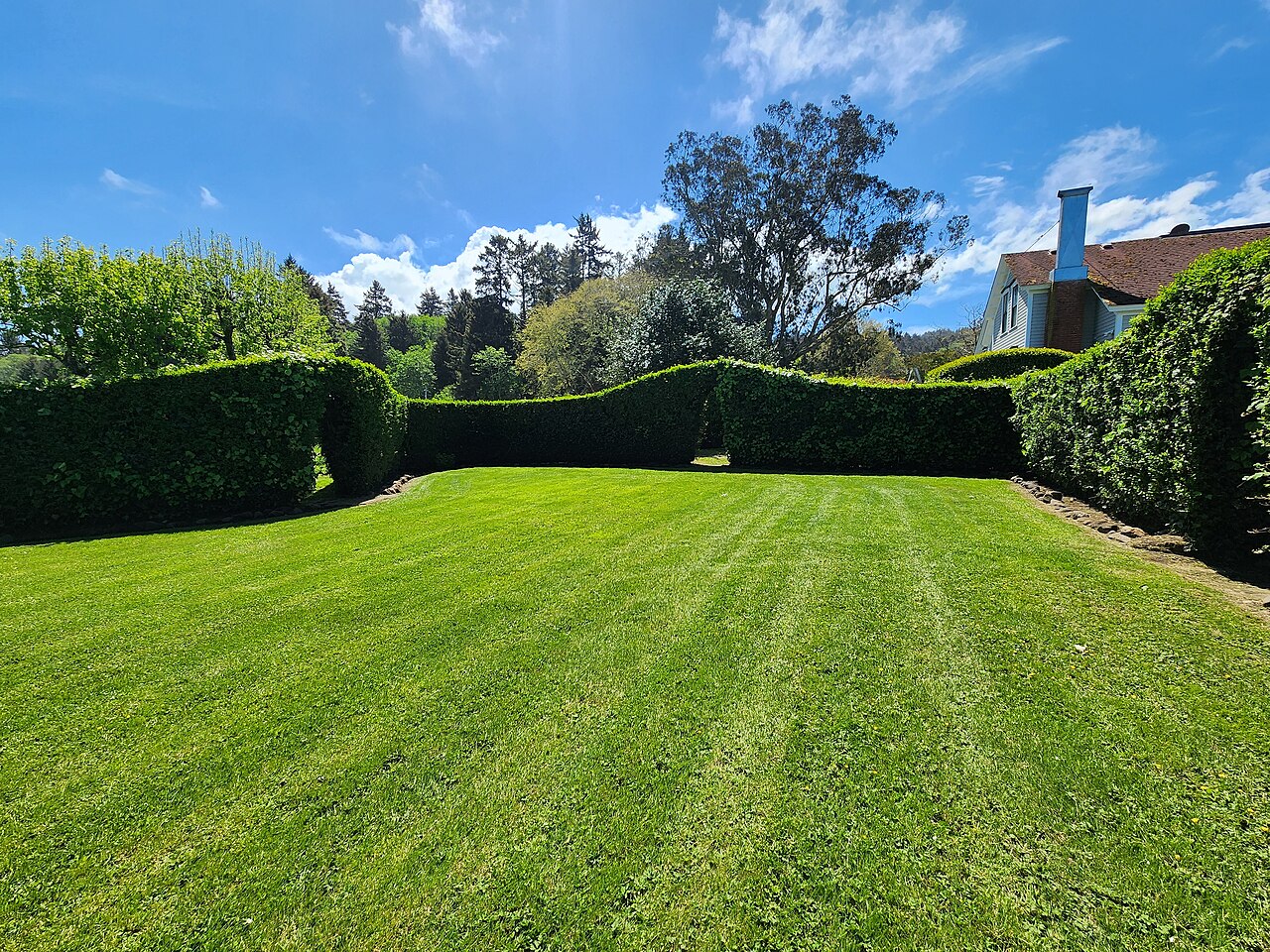
Rosemoor Manor, Torrington
Devon countryside, generous plot, accepts up to four dogs. A property that takes four dogs has generally had to think seriously about its garden setup, because four dogs will test any enclosure that isn't up to the job. Pet fee applies at £50 per dog. BowWow Score: 60. It’s a solid pick if you’re comparing dog-friendly cottages with secure garden setups in Devon.
Sandcastle Lodge, Bamburgh
Northumberland coast with an enclosed garden and beach access from the end of the lane. Takes two dogs, pet fee £40 per dog. The combination of a secure outdoor space, where you can unload the car and feed the dogs without managing them at the same time, and unrestricted beach walking a short distance away is a good one for high-energy dogs who need both.
Secret Cottage, Wivenhoe
An Essex pick with an enclosed rear garden, two dogs welcome, no pet fee. Wivenhoe is a quiet riverside town with good walking along the Colne estuary and a few dog-friendly pubs. For a reactive dog who needs a secure home base and calm surroundings, this is a reasonable option, and the no-fee policy keeps it accessible for multi-dog households. BowWow Score: 50.
Oaklands Farm, Bakewell
Peak District, walled grounds, space for up to three dogs. Older stone properties like Oaklands Farm tend to have better natural containment than modern fenced gardens, partly because the walls are taller and partly because there are no fence panels with the potential for gaps at panel joints or corners. Pet fee £30 per dog. BowWow Score: 50. For anyone shortlisting dog-friendly cottages with secure garden requirements in the Peak District, this one holds up well.
Dune Cottage, Wells-next-the-Sea
Norfolk, close to one of the better stretches of dog-friendly coastline in the country. Enclosed garden, two dogs welcome, £35 per stay. The nearby Holkham pine woods are a reliable off-lead option when you want space beyond the garden. For breeds that need both security at the property and room to run in a safe environment, the combination works. BowWow Score: 55.
You can also browse all BWW listings with enclosed or secure gardens and filter by region, number of dogs, and pet fee.
What to Ask Before You Commit
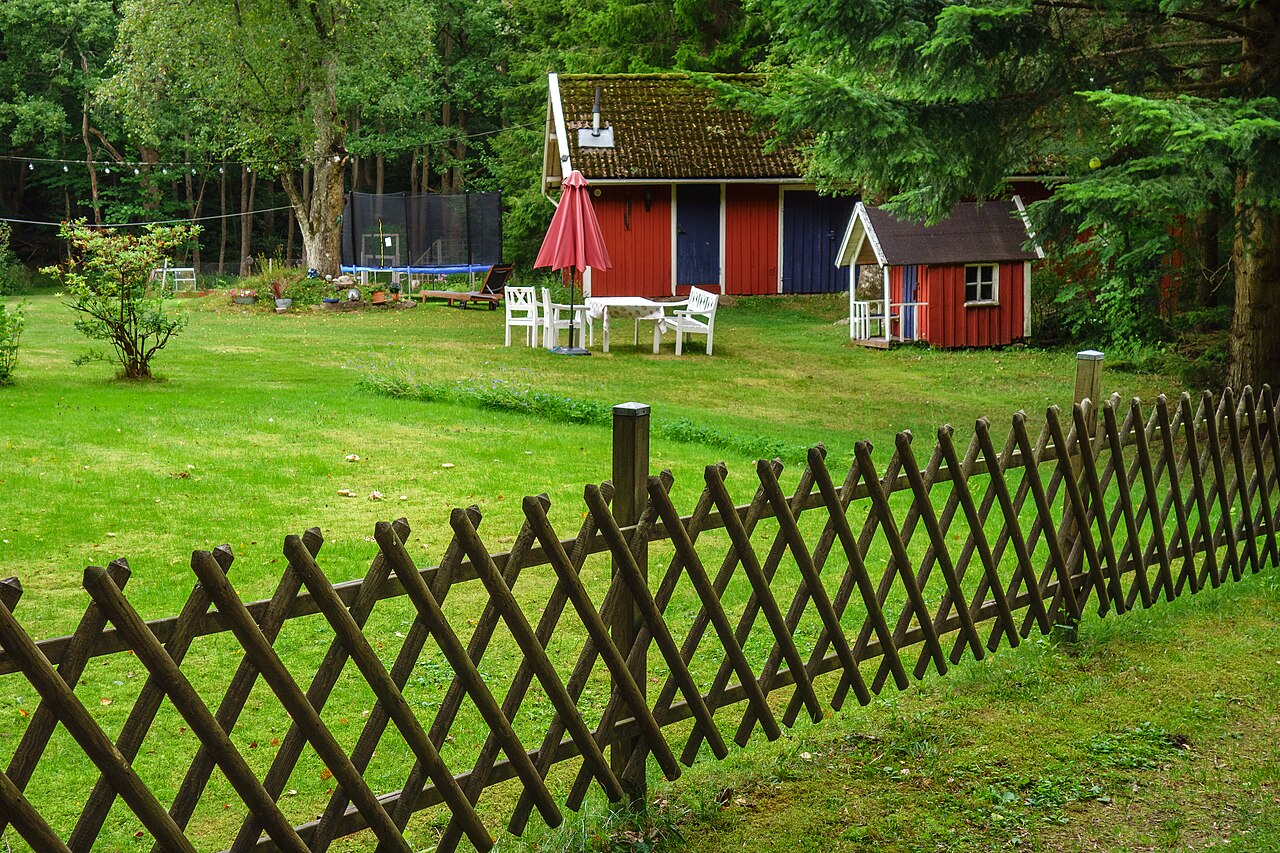
Don't rely on the filter tag alone. A five-minute conversation with the host before booking is worth more than an hour of scrolling photos, and every one of these dog-friendly cottages with secure garden listings should hold up to it.
What is the fence height around the full perimeter? Hosts who know their property will have a number. Vague answers ("fairly high", "quite tall") suggest they haven't measured it and may not have had guests who needed specifics.
Does the gate close and latch automatically? A self-closing gate is one less variable. Manual latches vary enormously: some are solid and reliable regardless of who uses them, others require knowing the trick, and that trick rarely gets passed on every time someone new comes to stay.
Are there any gaps where the fence meets the wall or gate posts? This is the question that reveals whether the host has thought about it from a dog's perspective. Many haven't; most will check if you ask.
Is any part of the perimeter open to a shared space? Shared driveways, access lanes, and neighbouring gardens with no barrier between them are not secure in practice, even if the garden is otherwise enclosed.
How is the garden separated from the parking area? Properties where the garden gate opens onto a shared car park require extra care every time a vehicle arrives or leaves.
The enclosed garden page covers this comparison in more detail, including what the difference between "enclosed" and "fenced" tends to mean in practice: dog-friendly cottages with enclosed gardens. For region-specific options, our guides to dog-friendly holidays in Cornwall and pet-friendly cottages in the Lake District both include notes on garden availability in those areas.
FAQ
Is there a real difference between a secure garden and an enclosed garden?
The terms appear interchangeably in listings, but they describe different things. "Enclosed" means the garden has some kind of continuous boundary, which could be a four-foot hedge with a soft spot, a low wall, or a panel fence that works well for most dogs. "Secure" implies the enclosure would contain a motivated, determined, or athletic dog who's actively looking for a way out. In practice, neither label is verified by the booking platform, so treating either as a starting point for a host conversation is the right approach rather than taking it as a confirmed fact.
Are there dog breeds where a secure garden matters most?
Honestly, it's more about the individual dog than the breed, though certain types come up in this conversation a lot. Lurchers and sighthounds are fast and jump well. Terriers dig and find gaps that look impossible from the outside. Huskies and malamutes are escape artists by design, and a garden that holds most dogs is simply not relevant to them. Reactive dogs are a different case, where the impulse is avoidance rather than curiosity, which raises the stakes further. If your dog has broken out of an enclosed space before, a verified secure garden is worth the extra conversation before you book anywhere.
How does the BowWow Score factor in garden security?
Garden security is one of the physical property attributes the BowWow Score accounts for. Properties where the host has provided specific information about fence height, gate type, and perimeter coverage score higher than those with only a general garden description. Photos of the garden boundary, when provided, are also useful data points. The aim is to distinguish properties that have thought carefully about dog containment from those that have applied a filter tag to attract bookings. The full scoring breakdown is on the BowWow Score page.
Do most dog-friendly cottages have secure gardens?
Not usually, and the gap is worth understanding. Many dog-friendly cottages have open grounds, unfenced gardens, or only partial enclosures. The secure garden filter narrows it down significantly. On BowWowsWelcome, the BowWow Score reflects whether a property has a genuinely enclosed outdoor space, so you can check before reading through each property's full terms. But even with the filter, confirming the specifics with the host before booking is the most reliable step.
Is it worth paying a higher pet fee for a property with a genuinely secure garden?
That depends on your dog. For a calm, well-trained dog who reliably comes back when called, probably not. For a reactive dog, an escape-prone breed, or a dog who's tested the boundaries of a previous holiday garden and found them wanting, a verifiably secure garden has real value, and a slightly higher pet fee to access one is generally a reasonable trade. The stress of managing an escape-prone dog in an inadequate garden outweighs most fee differences fairly quickly.