There is something about pulling up to a farmhouse with a dog in the back seat that just makes sense. The muddy boots by the door, the fields out the window, the feeling that your four-legged companion is going to have the time of their life before you have even unloaded the car. Dog-friendly farmhouse UK holidays are one of the few property types where bringing your dog genuinely improves the trip rather than complicating it.
But "farmhouse" covers a lot of ground. A converted barn on a working sheep farm in the Peak District is a very different proposition from a renovated manor house in Devon with a few acres of garden. And "dog-friendly" on a farm listing can mean anything from free-roaming bliss to strict on-lead rules because there are livestock in the next field. Getting the label right matters more than most people expect, because a dog-friendly farmhouse UK listing can range from an isolated shepherd's hut to a full country estate with staff. Here is what to look for and what to ask before you book.
Table of Contents
Why Dog-Friendly Farmhouse UK Holidays Work for Dog Owners
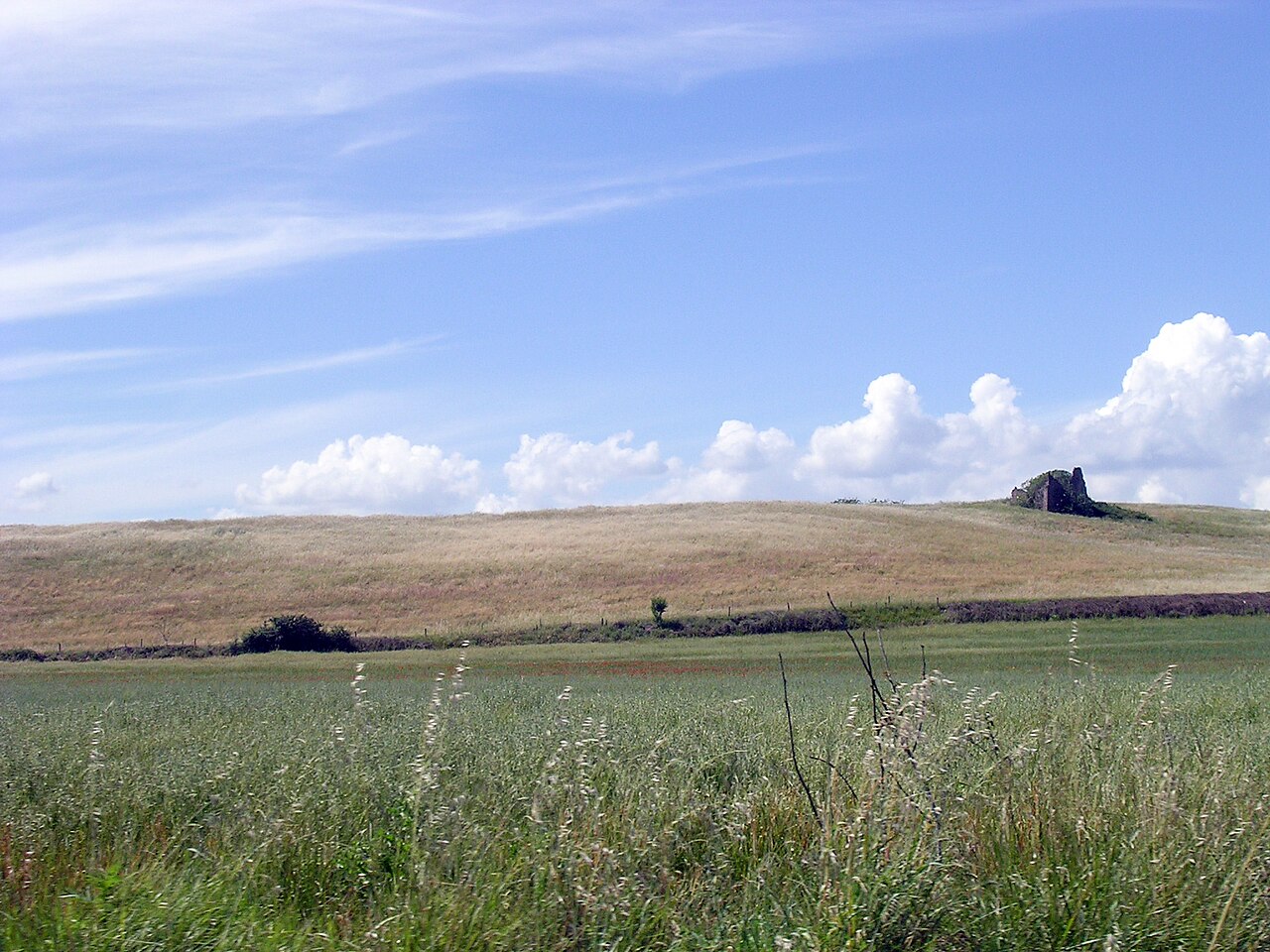
Most dog owners spend a fair amount of time worrying about space. Will the garden be big enough? Will there be walks from the door? Will the neighbours mind barking? Farmhouses tend to solve all three by default. You are usually surrounded by land, with footpaths and bridleways starting from the property, and the nearest neighbour might be a flock of Herdwicks rather than a family of four. That balance of space and quiet is precisely why a dog-friendly farmhouse UK stay tends to suit dogs so much better than a terraced cottage in town.
The other thing farmhouses get right is the practical stuff. Flag floors that wipe clean, boot rooms with space for wet gear, and an attitude towards mud that treats it as normal rather than a crisis. That matters when you are travelling with a Springer Spaniel who believes every puddle is a swimming pool. It is a detail that owners searching for a dog-friendly farmhouse UK holiday learn to appreciate fast, usually around the third towel of the week.
The BowWow Score weights outdoor space and nearby walking access heavily, which is why farmhouse and rural properties often score well. A property with direct access to fields or open land, a secure garden, and a relaxed attitude to muddy paws is ticking most of the boxes before you even get to the treat jar on the kitchen counter. It is one of the clearest signs that a listing qualifies as a genuine dog-friendly farmhouse UK option rather than a cottage that simply allows pets.
Farmhouse-Style Properties on BowWowsWelcome
These properties have the rural character and outdoor space that make farmhouse holidays work for dogs.
Oaklands Farm, Bakewell
A proper farm stay in the heart of the Peak District. Up to three dogs welcome at GBP 30 per dog, with a BowWow Score of 50. Bakewell puts you within reach of some of the best walking in England, from Monsal Dale to Chatsworth Park, and the surrounding fields mean your dogs can stretch their legs without a car journey.
View Oaklands Farm on BowWowsWelcome
Rosemoor Manor, Torrington
A country estate in north Devon that takes up to four dogs, which is rare enough to be worth highlighting. BowWow Score of 60, the highest among our rural properties. The grounds give plenty of space, and the Tarka Trail is close for longer walks. Pet fee is GBP 50 per dog, so it is not cheap with a multi-dog household, but the space and the welcome justify it.
View Rosemoor Manor on BowWowsWelcome
Morvich Croft, Dornie
A Highland croft with no pet fee and room for two dogs. BowWow Score of 50. If your idea of a farmhouse holiday involves mountains, sea lochs, and walks where you might not see another person all day, this is the Scottish Highlands version. The croft setting means space, quiet, and the kind of scenery that makes you wonder why you do not just move there permanently, which is a strong pick if you want a dog-friendly farmhouse UK holiday somewhere properly remote.
View Morvich Croft on BowWowsWelcome
Keeper's Lodge, Lyndhurst
Set in the New Forest, this lodge has a BowWow Score of 55 and takes two dogs at no extra charge. The New Forest is one of the best areas in England for dog walking, with miles of open heath and woodland. Just keep dogs on leads around the ponies and cattle that roam freely, because they have right of way and they know it.
View Keeper's Lodge on BowWowsWelcome
Shepherd's Hut at Fern Farm, Rye
Not a farmhouse in the traditional sense, but a shepherd's hut on a working farm, which has its own charm. One dog allowed, BowWow Score of 30. It is compact, so large breeds might find it tight, but the farm setting gives you land to explore and East Sussex has some underrated coastal walks within easy reach, making it a compact but genuine dog-friendly farmhouse UK option for solo travellers with one dog.
View Shepherd's Hut at Fern Farm on BowWowsWelcome
What to Check Before Booking a Dog-Friendly Farmhouse UK Holiday
Farmhouses sound ideal for dogs, and most of them are, but a few things are worth confirming before you hand over a deposit. The differences are usually more about interpretation of "dog-friendly" than the farmhouse itself, so specifics from a dog-friendly farmhouse UK host go a long way.
Livestock and off-lead access. Working farms mean animals. Sheep, cattle, chickens, sometimes all three. Ask whether your dog can be off-lead on the property grounds or whether livestock means on-lead only. Some farms have separate paddocks for dog exercise, which is the best of both worlds. Others expect dogs on leads at all times outside the property itself.
Fenced boundaries. A farmhouse surrounded by open fields sounds wonderful until you realise there is no fence between the garden and the sheep pasture. Ask specifically whether the immediate property boundary is secure. Our fenced garden filter lists properties where this has been confirmed.
Number of dogs. Farm properties tend to be more generous with pet numbers because there is more space, but it varies. Oaklands Farm and Rosemoor Manor both allow three or more. If you have a multi-dog household, check our cottages allowing 3 or more dogs page.
Mud. This is not really a warning so much as a statement of fact. Farmhouse holidays and mud are inseparable, especially between October and April. Bring towels, bring a boot tray, and accept that your car will look like it has been through a rally stage on the way home. It is simply part of the trade with a dog-friendly farmhouse UK holiday, and most owners say it is worth it.
FAQ
Are farmhouse holidays more dog-friendly than regular cottages?
Generally, yes. Farmhouses tend to have more outdoor space, are located in rural areas with good walking access, and the hosts are often more relaxed about pets because they live with animals themselves. That said, working farms may have stricter rules about keeping dogs on leads near livestock. Check the specific property rather than assuming.
How much do pet fees cost at farmhouse properties?
It varies widely. Some rural properties charge nothing, like Morvich Croft and Keeper's Lodge on BowWowsWelcome. Others charge GBP 20 to GBP 50 per dog per stay. Properties allowing multiple dogs sometimes cap the total fee. Always check whether the fee is per dog, per stay, or per night, because that distinction can add up quickly.
Can my dog be off-lead at a farmhouse holiday?
It depends entirely on the property and whether there is livestock nearby. Many farmhouses have enclosed gardens or paddocks where dogs can run free, but the surrounding land may require leads. The best properties clearly state their off-lead policy. If the listing does not mention it, ask the host directly before booking. For walks where dogs can run free, see our guides to off-lead walks in Cornwall and off-lead walks in the Lake District.
What breeds do well on farmhouse holidays?
Most breeds enjoy a farmhouse setting, but working breeds and larger dogs tend to get the most out of the space. Labradors, Spaniels, Collies, and similar active breeds will appreciate the fields and footpaths. Smaller dogs do perfectly well too, though a shepherd's hut or compact barn conversion might suit them better than a sprawling estate. The key consideration is recall around livestock rather than breed or size.