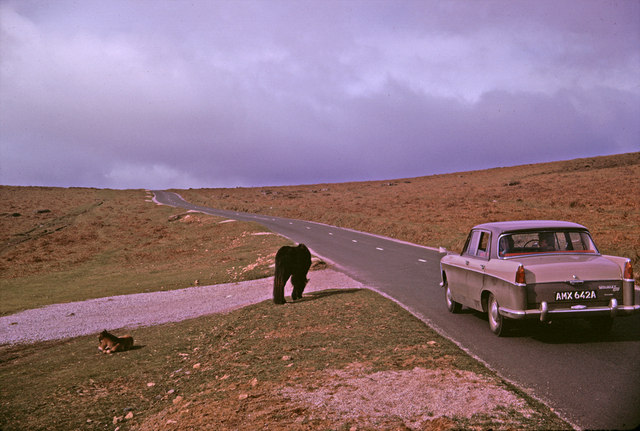
Most people who visit Devon with a dog come back with the same observation: there is more off-lead space here than you expect, spread across open moorland, a 32-mile converted railway trail through the north, and a handful of beaches with no seasonal restrictions. The off-lead dog walks Devon has to offer span a wider range of terrain types than most counties manage, and understanding the rules before you arrive saves considerable time when you get there.
Table of Contents
Off-Lead Dog Walks Devon: Three Terrain Types
Devon's off-lead picture is more varied than most counties, which makes it worth understanding before you arrive. Dartmoor and the edge of Exmoor give you open moorland where dogs run free across hundreds of square miles, subject only to seasonal livestock rules. The Tarka Trail cuts a surfaced, flat route through the north that works even in wet autumn weather. And on the coast, a handful of beaches have no seasonal restrictions at all, which is rarer in England than it ought to be.
The distinction matters for planning. Dartmoor's freedom comes with a spring and early summer restriction that covers the best of the season. The coastal beaches that stay open year-round are worth knowing by name if you are visiting between May and September.
Dartmoor: The Biggest Off-Lead Option in the South West
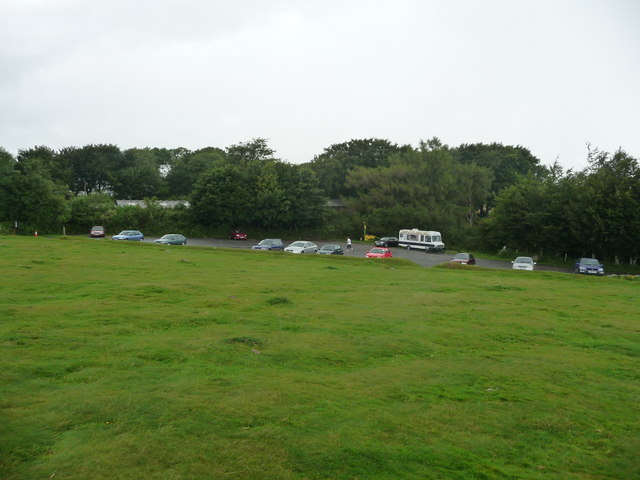
Nothing in Devon quite compares to Dartmoor for raw space. The moorland runs from the high tors in the north and south, across river valleys and boggy plateaus, through ancient woodland where the paths dip down from the open ground, and there is no permit, no charge, and no booking system standing between you and any of it.
The restriction you need to plan around: from 1 March to 31 July, dogs should be kept on a lead or under close control around livestock. Sheep lamb across the open moor through spring, and ponies range freely across the higher ground year-round, so even in the off-lead months you will want to read the terrain before letting a dog with no sheep experience loose on a hillside full of them. Between August and the end of February, the lead comes off as soon as you leave the road.
Cadover Bridge, managed by the National Trust, is one of the more accessible starting points for walks onto the southern moor. The car park sits beside the River Plym, the moorland opens up from the edge of the road, and you can walk for an hour in any direction before finding yourself anywhere near another person.
A specific note on the ponies: Dartmoor ponies are not domesticated animals, and a dog running at a herd is a serious matter quite separate from the formal livestock rules. Keeping dogs under close control around them is the sensible expectation regardless of season.
The Tarka Trail
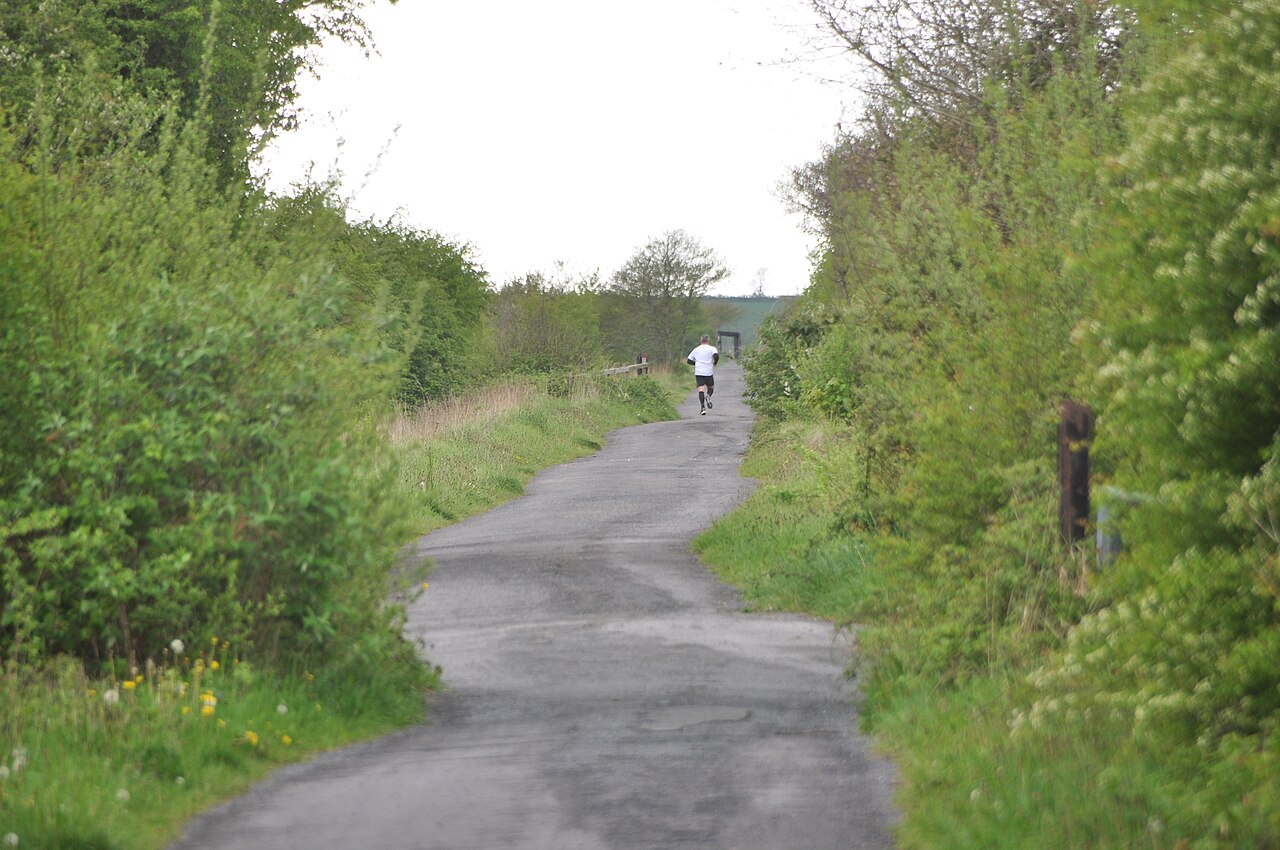

The Tarka Trail runs 32 miles from Braunton on the North Devon coast down to Meeth in Mid Devon, following a disused railway line converted into a shared path for walkers and cyclists. The surface is tarmac throughout its length, which matters in Devon because the county's wet reputation is well-earned and a flat, surfaced route that stays usable in October is worth building into your plans.
The trail passes through Barnstaple, then follows the Torridge estuary through Instow and Bideford to Great Torrington. The estuarine section between Barnstaple and Instow runs alongside the Taw and Torridge rivers with broad estuary views, and if you stop at Instow you can finish the walk on the foreshore, where dogs are welcome year-round. Dogs walk off-lead on the trail itself without restriction, though the sections through Barnstaple have enough cyclists passing to make reliable recall a practical requirement rather than a theoretical one.
If you are staying near Torrington, the Rosemoor Manor property on BowWowsWelcome sits close to this section of the trail and makes day-walking multiple stretches of it realistic across a stay.
North Devon Beaches
Saunton Sands
About 5 miles west of Braunton, Saunton stretches for 3 miles alongside the Braunton Burrows dune system, and the rule on dogs is simple: no seasonal restrictions, no restricted zones on the main beach, no dates to remember. Dog owners visiting between May and September, when most Devon beaches have at least some restriction in force, tend to default here for that reason. The dunes are part of a UNESCO Biosphere Reserve and some signed nature paths ask for leads near sensitive bird habitat, but the beach itself is open throughout the year.
Instow
Unlike most of the popular North Devon beaches, Instow sits at the meeting point of the Taw and Torridge estuaries rather than facing the open Atlantic, and the result is a beach that is calmer, smaller, and entirely without seasonal dog restrictions. The foreshore is good on a dry day, the village has café seating at outside tables for something warm at the end of a walk, and the connection to the Tarka Trail a few hundred yards away makes it easy to combine beach time with a section of the rail trail in either direction.
Woolacombe
Woolacombe is worth understanding before you arrive. From Good Friday (or 1 April, whichever falls first) to 30 September, the northern end of the main beach operates as a lead-only zone, and a section closer to the centre has additional restrictions. The southern end of the beach and the dune path towards Baggy Point stay accessible throughout the summer. Outside the restriction window, the full beach opens to off-lead dogs. The car park signs detail which sections are which when you arrive, and they are worth reading rather than assuming.
Westward Ho!
The central beach section at Westward Ho! operates a 1 May to 30 September dog restriction, while the zones at each end of the beach stay open year-round and the pebble ridge walk running behind the beach carries no seasonal rules at any time of year.
South Devon
Blackpool Sands
Three miles south of Dartmouth, Blackpool Sands is privately managed and sits in a sheltered cove. Dogs are welcome year-round here, with no seasonal restriction of any kind. The beach gets busy in summer because the access is easy and the conditions are good, but knowing you can plan around it without checking bylaws removes one variable from the booking decision.
The Sail Loft in Salcombe, listed on BowWowsWelcome, gives you easy access to Blackpool Sands, and the South West Coast Path between Salcombe and Hope Cove is worth knowing about for winter, when the beaches further north are restricted.
Exmoor on the North Devon Edge
Part of Exmoor National Park falls inside Devon's northern boundary, and the walking there has a different character from Dartmoor: more enclosed, running through wooded combes and along cliff-top heather moorland rather than open plateau. Dogs are generally welcome off-lead on the higher ground, with the usual expectation to manage them around red deer and Exmoor ponies. The Valley of the Rocks near Lynton is worth noting, a spot with dramatic cliff scenery and open ground, and wild goats in residence who generate enough animal interest that recall is worth testing before letting a terrier loose on the hillside.
The Rules That Catch People Out
Devon's off-lead picture is generally good, but a few things catch visitors who assume beaches are either fully open or fully closed. The standard restriction period on most affected beaches runs from 1 May to 30 September, though Woolacombe starts from Good Friday or 1 April. Rules can vary between sections of the same beach and are updated by local councils periodically, so reading the car park signage when you arrive is more reliable than remembered general guidance.
The Dartmoor livestock restriction from 1 March to 31 July is the other one worth building into your planning. The practical consequence is that spring and early summer, often Dartmoor's best walking season, is also when the lead stays on near sheep and ponies.
For properties that score well on the BowWow Score for outdoor access, the pet amenity filters on BowWowsWelcome are worth checking when you book. The best dog-friendly beaches in Devon guide covers the coastal options in more depth, and Devon's year-round dog-friendly beaches lists the unrestricted spots with notes on each.
FAQ
What off-lead dog walks Devon has year-round are the best for a first visit?
Saunton Sands covers the most ground with the least planning: 3 miles of beach and adjoining dunes with no seasonal restrictions. The Tarka Trail gives you 32 miles of surfaced path with off-lead access throughout, and Instow Beach sits roughly at the midpoint of the trail's most popular section and adds a year-round coastal stop with café options.
Can dogs go off-lead on Dartmoor in 2026?
Between 1 August 2026 and the end of February 2027 the full 360-plus square miles is available off-lead. From 1 March to 31 July 2026, the guidance requires close control near livestock, and on open moorland with unfenced grazing that effectively means the lead stays on near sheep and ponies.
Is the Tarka Trail good for dogs in wet weather?
Very much so: the surface is tarmac throughout the trail's 32 miles, so it stays usable when upland routes and coastal paths turn boggy in autumn and winter. Dogs walk off-lead without restriction, though the sections closer to Barnstaple carry more cyclist traffic and warrant keeping a dog a little closer.
When do Devon beach dog restrictions lift in 2026?
The standard end date across most restricted Devon beaches is 30 September 2026. Saunton Sands, Instow, and Blackpool Sands have no restrictions and are open year-round. After 1 October, the lead-only zones on beaches like Woolacombe and Westward Ho! reopen to off-lead dogs.