Search for dog friendly holiday ideas UK and you mostly get lists of cottages, so this guide is organised around the rules instead: six trips, each tied to a published policy from an estate, council or national park, starting at Holkham in Norfolk, where over 70% of the beach stays open to off-lead walking even in the restricted months, and ending in the Scottish Highlands, where you can walk your dog on most land provided it is under proper control.
We read each date on the official page in November 2026, but seasons and rules move, and the sign on the beach wins any argument with a blog post, this one included. For how we rate the cottage rather than the coastline there is the BowWow Score, and the pet travel checklist deals with the paperwork.
Table of Contents
Dog friendly holiday ideas UK beach lovers can plan around
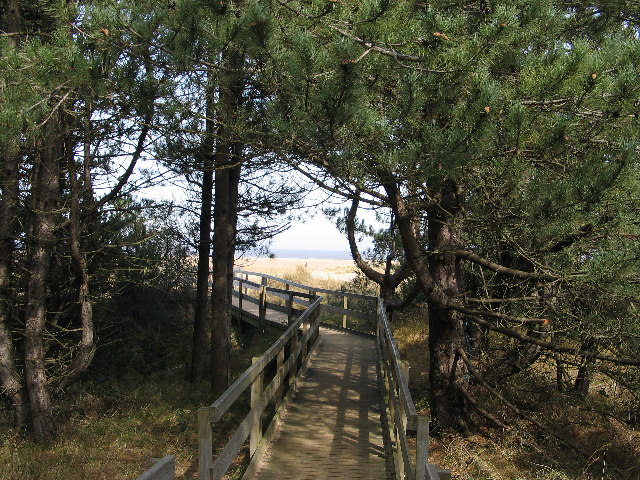
Dogs and ground-nesting birds both want the same stretch of sand, and each landowner draws the line in a slightly different place, which is why beaches throw up the most specific rules of the six.
Holkham, Norfolk: a beach that tells you its percentages
Holkham is unusual in putting its policy into a percentage. Dogs are welcome all year, though from 1 April to 31 August the most vulnerable areas have a dogs-on-leads policy, and the estate says that still leaves over 70% of the beach for off-lead walking under close control. Where birds nest you will find roped cordons protecting ground nesting terns, oystercatchers and ringed plovers, and Holkham asks you to steer clear of them, a request your dog will cheerfully ignore if there is seaweed involved.
Our full write-up of Holkham Beach covers parking and the walk in.
Studland, Dorset: lead rules by named beach
Which of the four Studland beaches do you actually want? Dorset Council says dogs must be on a lead on Shell beach, South beach, Middle beach and the southern part of Knoll beach between 1 May and 30 September, and the National Trust asks that you keep your dog under control at all times to protect the reserve and other beach users. The Studland guide goes through it beach by beach.
North Devon: three beaches, three different answers
Read the small print in North Devon and three beaches that look alike on the map turn out to have three different rulebooks. Croyde is the strictest, with the council's dog controls saying dogs are not to be present on Croyde beach between 1 May and 30 September, whereas Saunton Sands appears in the council's beaches table as dogs allowed all year but on leads in front of the beach huts, and Woolacombe, according to the same council, restricts dogs to certain areas and tells you to check the signage.
Woolacombe needs a closer look, because the Woolacombe Bay Holiday Parks site describes three zones on the main beach, with Zone A for no dogs, Zone B for dogs on a lead and Zone C with no restrictions, and says the rules apply from 1st April, or Good Friday if that falls earlier, until the first Monday in November. The page gives no map of where each zone starts, so the sensible move is to walk down to the noticeboard before you unclip the lead, rather than assume your dog's favourite end is the lawless one.
If Croyde's summer ban rules out a July visit, Saunton Sands is the obvious alternative to check, and we have written separately about Croyde, Saunton Sands and Woolacombe. Dogs, naturally, read none of this, and will treat a roped cordon as an exciting new smell.
Dog friendly walking holidays for open country
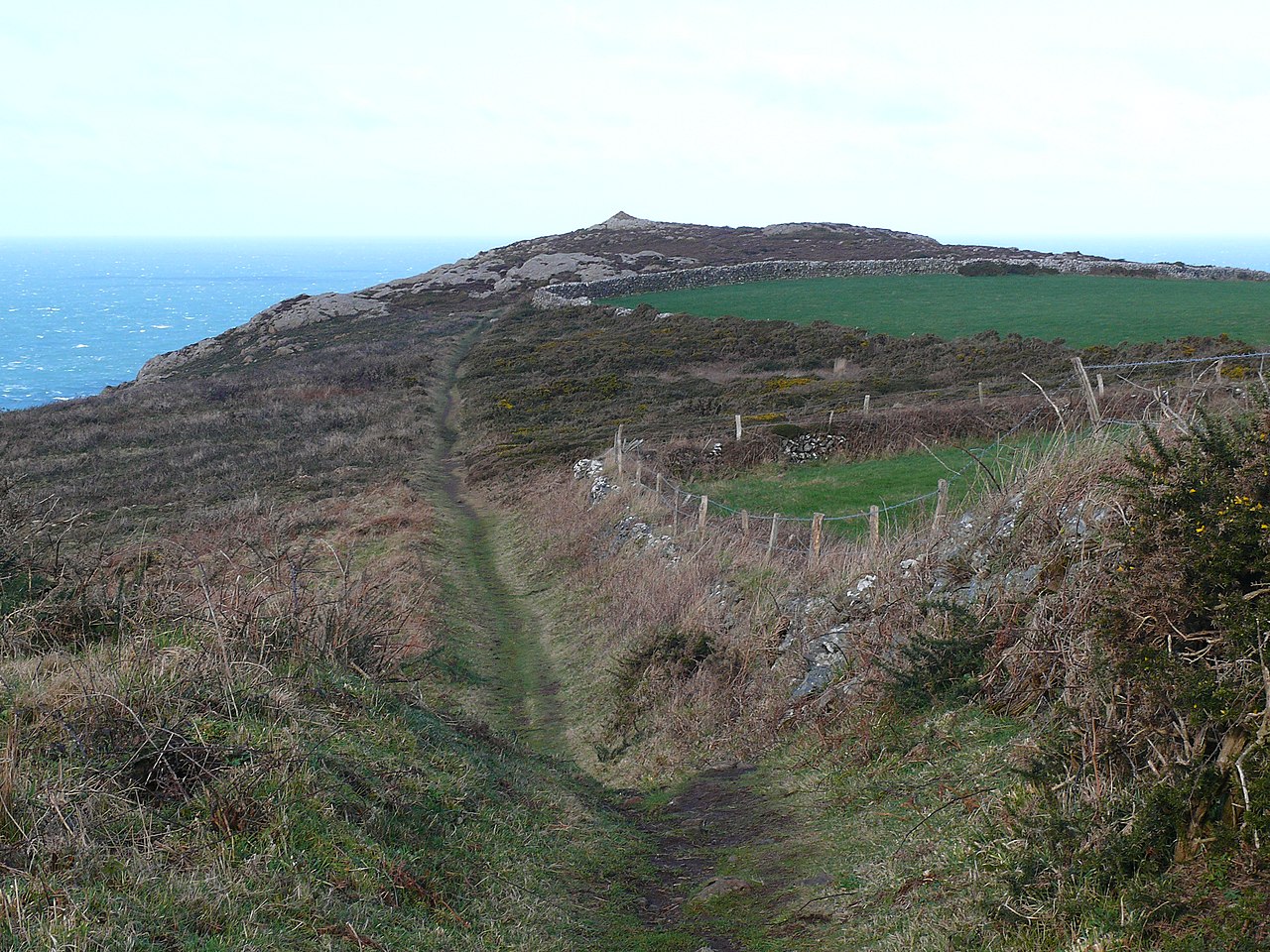

Walking breaks swap tide tables for sheep, and the rule that matters most is the same everywhere: when livestock is about, the lead comes out.
Lake District: lambing season changes the walk
The Lake District National Park Authority is blunt about lambing, saying the run up to it is a really sensitive time and that dogs can cause significant stress to sheep while they are heavily pregnant, which can lead to the sheep aborting its lambs. Its advice is to follow the Countryside Code and keep dogs under close control, preferably on a lead, and the code itself goes further, because between 1 March and 31 July you must have your dog on a lead on Open Access land even if there is no livestock in sight. Our guide to off-lead walks in the Lake District picks out the routes where that still leaves room to roam.
Pembrokeshire Coast: cliffs and sheep
Is a coast path a safer bet than a fell? Not entirely, since the Pembrokeshire Coast National Park Authority says that each year a number of sheep are chased over the cliff by loose dogs, and its advice is to keep dogs under close control, preferably on a lead, while noting that disturbance by dogs has a debilitating effect on ground nesting and feeding birds. Pair a coast path day with a beach day using our Pembrokeshire beaches guide.
Scottish Highlands: the right to roam, with strings attached
Scotland is the outlier, and a good one. The Scottish Outdoor Access Code says you can walk your dog on most land as long as you follow the Code and keep your dog under proper control, which in practice means a lead whenever you are in doubt, and releasing the dog if cattle threaten you rather than risking yourself to protect it. Our guide to the Scottish Highlands covers where that freedom runs out.
Matching the trip to your dog
A beach trip suits a dog with reliable recall and a love of water, a walking trip suits one that can switch between lead and freedom without a sulk, and a cat travelling with you will care about none of the above and a great deal about a secure window. Most of the places above are dog-first, but if you travel with a cat, rabbit or other small pet, check the property's own policy before you book, since the beach and national park rules say nothing about indoor pets.
Once you have picked a region, the practical decision is the cottage. Our packing list for a dog holiday covers what to take, and you can search the BowWowsWelcome listings by location. The Round House in Colchester, for instance, shows a free pet fee and lists a dog bowl and poop bags as provided on its listing page, although it is a town cottage rather than a coastal one.
FAQ
Are dogs allowed on UK beaches all year round?
It depends on the beach and the landowner. Holkham welcomes dogs all year round with a seasonal lead policy in vulnerable areas, while North Devon Council's controls keep dogs off Croyde beach from 1 May to 30 September, so the same county can give you opposite answers within a few miles of each other.
When must dogs be on a lead in the countryside?
The Countryside Code says you must put your dog on a lead around livestock on Open Access land and at the coast, and that between 1 March and 31 July you must keep it on a lead on Open Access land even when no livestock is present. Local authorities such as the Lake District and Pembrokeshire park authorities ask for a lead more widely than that.
Where do I check the rules before I book a dog friendly holiday in the UK?
Start with the body that manages the land, which is the council for most beaches, the estate for private ones and the national park authority for upland and coastal paths, because their pages carry the dates and the signage notes. Then compare the property side using the BowWow Score, which tells you how a cottage treats dogs once you are back from the walk.