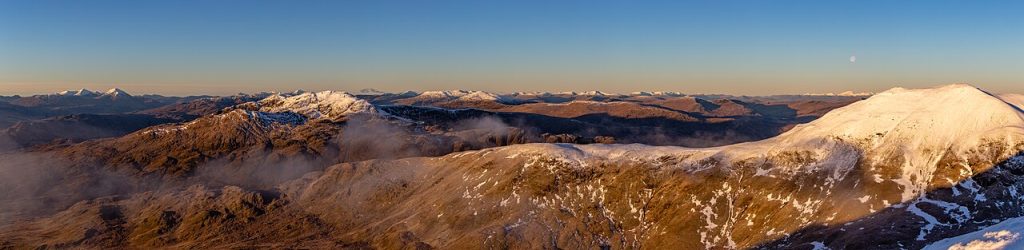
A dog-friendly Scottish Highlands holiday starts with an area roughly the size of Belgium, and most of it empty. No seasonal beach bans, no "dogs must be on leads at all times" signs nailed to every gate, no awkward looks when you walk into a pub with a muddy Labrador. For dog owners used to navigating the restrictions of English coastal holidays, the Highlands feel like someone took the rule book and lost it somewhere in a glen.
Table of Contents
What Makes the Dog-Friendly Scottish Highlands Work

Scotland's access laws are the headline. The Land Reform (Scotland) Act 2003 gives everyone the right to roam across most land and inland water, provided you act responsibly. In practical terms, that means your dog can walk where you walk, across open moorland, along loch shores, through forests, with fewer of the "private land" barriers that cut walks short further south. You still need to keep dogs under close control near livestock (lambing season runs roughly March to May), but the default is access, not restriction, which is why so many owners describe a dog-friendly Scottish Highlands trip as the one holiday where nobody has to negotiate with a sign.
The landscape helps too. The Highlands aren't one place. There's the Cairngorms, where managed pine forest and wide valley paths suit dogs who prefer solid ground underfoot. There's the northwest coast, where beaches stretch for miles and you might not see another person. There's the Great Glen, cutting diagonally from Fort William to Inverness, with Loch Ness and its surrounding woodland trails. And then there's the far north, where single-track roads lead to places that feel genuinely remote.
Properties in the Highlands tend to be more relaxed about dogs than their English equivalents. Breed restrictions are rarer, pet fees are often lower (or absent), and you're more likely to find a cottage where "dogs welcome" means the whole house, not just the kitchen. On BowWowsWelcome, every listed property carries a BowWow Score so you can see exactly what "dog-friendly" means before you book.
Dog-Friendly Beaches in the Highlands
Scotland doesn't impose the seasonal dog bans that are common on English beaches. No Easter-to-September exclusion zones, no time-of-day windows. Your dog can run on Highland beaches year-round, which removes one of the biggest headaches of planning a dog-friendly Scottish Highlands holiday.
Dornoch Beach
On the east coast, about an hour north of Inverness, Dornoch Beach backs onto a proper town with shops and places to eat. The sand is firm and golden, the water is shallow enough for paddling dogs who aren't strong swimmers, and there are rock pools at the south end that keep retrievers busy for hours. Loch Fleet Nature Reserve is a short drive away if you want a quieter walk afterwards, and Dornoch is often the first stop people make when they’re easing into a dog-friendly Scottish Highlands trip rather than diving straight for the remote west coast.
Achmelvich Beach
Achmelvich sits on the Sutherland coast and looks like it belongs in the Caribbean until you feel the water temperature. White sand, turquoise sea, backed by rocky outcrops that create sheltered spots when the wind picks up. It's small enough to feel contained but big enough for a proper fetch session. The road in is single-track, so August can get busy, but outside peak summer you might have it to yourselves, one of the small rewards of a dog-friendly Scottish Highlands holiday timed away from the school holidays.
Balnakeil Beach
Near Durness in the far northwest, Balnakeil is wild in a way that English beaches rarely manage. Big dunes, wide sand, no facilities beyond a car park. The beach faces north and catches weather that rolls in off the Atlantic, which makes it spectacular to visit in autumn when the light is low and the sky is doing interesting things. Dogs with a taste for waves will be in their element.
Loch Morlich
Not a coastal beach, but worth knowing about. Loch Morlich sits in the Cairngorms National Park and has a sandy freshwater beach that's popular with families and dogs alike. The water is calmer than the sea, the surrounding forest provides shade on warm days, and there are marked trails leading directly from the beach into Glenmore Forest. If your dog isn't keen on salt water, this is a good alternative.
Walking Routes Worth Knowing
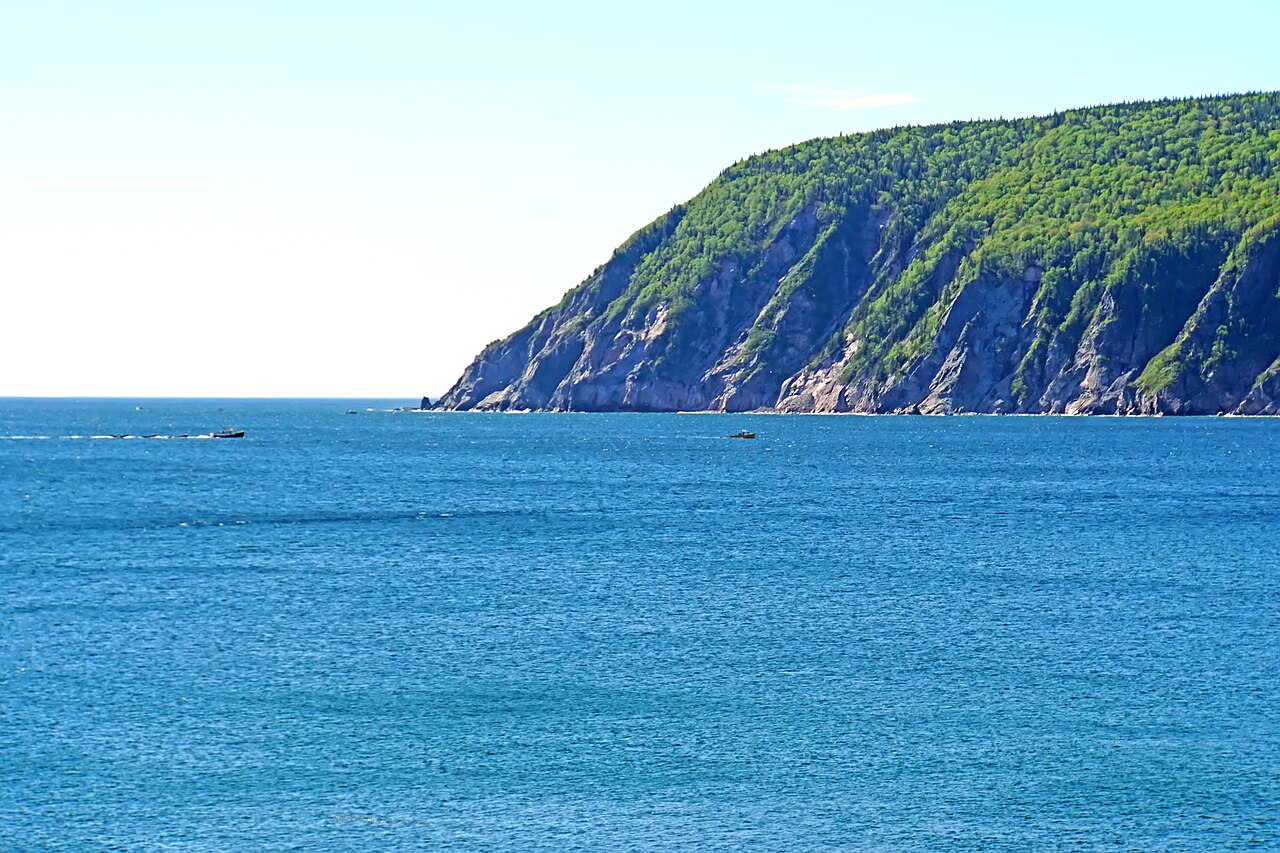
Glen Affric
Often called Scotland's most beautiful glen, and the claim holds up. The main circuit around Loch Affric is about 9 miles and follows a well-maintained path through ancient Caledonian pine forest. The terrain is mostly flat with gentle rises, gates rather than stiles (a relief for larger dogs), and the loch views keep revealing themselves as you round each bend. Dogs can be off-lead for most of it, though keep them close if you spot red deer, which you will, and it’s the kind of walk that sums up why a dog-friendly Scottish Highlands break tends to spoil owners for anywhere else.
Glencoe Lochan Trail
If you want something shorter after a drive, this forest loop near Glencoe village takes about 45 minutes and follows a flat, well-surfaced path around a small lochan. The mountains reflected in still water on a calm morning are worth getting up early for. It's an easy walk for older dogs or those recovering from injury, and there's a car park right at the start.
The Bone Caves, Inchnadamph
A walk that earns its name. About 2.5 miles return from the car park near Inchnadamph in Assynt, following the Allt nan Uamh stream uphill to a series of limestone caves where bear and lynx bones were found in the 1920s. The path is rough in places and involves some scrambling near the caves, so it suits dogs who are comfortable on uneven ground. The views back down the valley towards Loch Assynt are worth the effort.
Balmacara Estate
On the west coast overlooking Skye, Balmacara is a National Trust for Scotland property with a network of paths through woodland and along the shoreline. The walks vary from short loops to longer coastal routes, and the estate is quiet enough that most dogs can be off-lead. Kyle of Lochalsh is nearby if you need supplies or a coffee afterwards, and the estate is a decent example of how much easier off-lead walking becomes once you’ve crossed into proper dog-friendly Scottish Highlands territory.
A Note on Deer Stalking Season
Between July and October (roughly), estates across the Highlands carry out deer stalking. This doesn't close access, but it's considerate to check with local estates or the Heading for the Scottish Hills service before walking in remote areas during this period. A dog disturbing a stalk is a genuine safety issue, so keeping them under close control matters more than usual.
Dog-Friendly Pubs and Cafes
The Clachnaharry Inn, Inverness
At the western edge of Inverness where the Caledonian Canal meets the Beauly Firth, the Clachnaharry has been welcoming dogs longer than most of its regulars can remember. Dogs are allowed inside, water bowls appear without being asked for, and the pub food is decent without pretending to be fine dining. Good position for a post-walk pint if you've been along the canal towpath, and a fair example of what a dog-friendly Scottish Highlands pub actually looks like once you get past the postcard version.
The Old Bridge Inn, Aviemore
Aviemore can feel like a tourist staging post, but the Old Bridge Inn has the feel of a proper local. Log fire in winter, a selection of cask ales that changes regularly, and dogs are welcome inside the bar. It's the kind of place where someone's Border Collie is asleep under a table and nobody mentions it. The food is a step above standard pub fare, and it’s the sort of place that reminds you why the Old Bridge Inn keeps coming up whenever a dog-friendly Scottish Highlands itinerary passes through Aviemore.
Black Isle Bar, Inverness and Fort William
Black Isle Brewing runs two bars, one in central Inverness and one at the west end of Fort William. Both serve their own organic craft beers alongside wood-fired pizzas, and both welcome dogs. The Inverness branch is useful if you're breaking a journey along the A9; the Fort William one works as a reward after anything involving Ben Nevis, and both branches turn up on most people’s shortlist of dog-friendly Scottish Highlands stops on the west coast leg.
Ryvoan Cafe, Aviemore
A newer addition near the Highland Home Centre in Aviemore, Ryvoan does breakfast, brunch, and lunch with dogs welcome inside. There are treats at the counter, which your dog will locate before you've found a table. It fills a gap for mornings when you want something better than a service station coffee before heading into the Cairngorms, a small but useful addition to the dog-friendly Scottish Highlands cafe scene around Aviemore.
Where to Stay with Your Dog
The Highlands offer everything from remote bothies (basic shelter, no electricity, plenty of character) to converted estate lodges with underfloor heating and loch views. A typical dog-friendly Scottish Highlands cottage gives you more space than its English equivalent, often with land around it rather than a fenced courtyard.
What to look for: ground-floor access (not all Highland properties are single-storey), a drying room or boot room for wet gear and muddier dogs, and clear information about whether pet fees apply. Some properties charge nothing, others add £20-£30 per stay. Breed and size restrictions are less common than in England, but they do exist, so check before booking, and worth doing before you commit to a dog-friendly Scottish Highlands stay rather than after you’ve packed the car.
BowWowsWelcome rates every property on pet-friendliness with the BowWow Score, covering everything from garden security to the number of dogs allowed. Browse Highland properties on BowWowsWelcome to compare what's available, or filter by specific amenities like fenced gardens or no pet fee.
If you're travelling with cats or smaller pets, it's worth asking properties directly. Highland accommodation tends to be more flexible than listings suggest, particularly owner-managed cottages rather than agency-let properties, and that flexibility is part of what makes a dog-friendly Scottish Highlands stay easier to arrange than it first appears.
FAQ
Do Scottish beaches have seasonal dog bans?
No. Scotland doesn't impose the seasonal dog restrictions common on English beaches. Your dog can visit Highland beaches year-round without time-of-day or seasonal limitations. Individual beaches may have local bylaws in rare cases, but the default across the Highlands is unrestricted access.
Can I let my dog off the lead in the Highlands?
The Scottish right to roam extends to dogs, but with the expectation that you keep them under control, particularly near livestock. During lambing season (March to May) and deer stalking season (July to October), keeping dogs on a lead or at close heel in rural areas isn't just polite, it's a legal responsibility under the Scottish Outdoor Access Code. On beaches, in forests, and on established paths away from livestock, off-lead walking is generally fine.
How many dogs can I bring to a Highland holiday cottage?
It varies by property. Many Highland cottages accept two dogs without question, and multi-dog policies are more common than in southern England. Some larger properties welcome three or more. Check individual listings on BowWowsWelcome for specific pet policies, or see our guide to cottages that allow 3 or more dogs.
Is the Scottish Highlands a long drive from England?
Inverness is roughly 8-9 hours from the Midlands, 10-11 from London. Fort William and the western Highlands are slightly closer from the northwest of England. The Caledonian Sleeper train runs from London Euston to Inverness, Fort William, and other Highland stations, and dogs travel free in the seated coach (one per passenger, must stay on the floor). If you're driving, the A9 north from Perth is largely dual carriageway now, which has knocked an hour off the journey compared to a few years ago.
What's the weather like for dog walking in the Highlands?
Changeable, always. Summer days can be warm and midges can be fierce (June to August, worst in still, damp conditions). Spring and autumn offer the best walking weather: cooler temperatures, fewer insects, and the landscape at its most dramatic. Winter is cold and dark, but many dogs prefer it, and the mountains with snow are extraordinary. Pack layers regardless of season, and bring a dog coat if yours feels the cold.