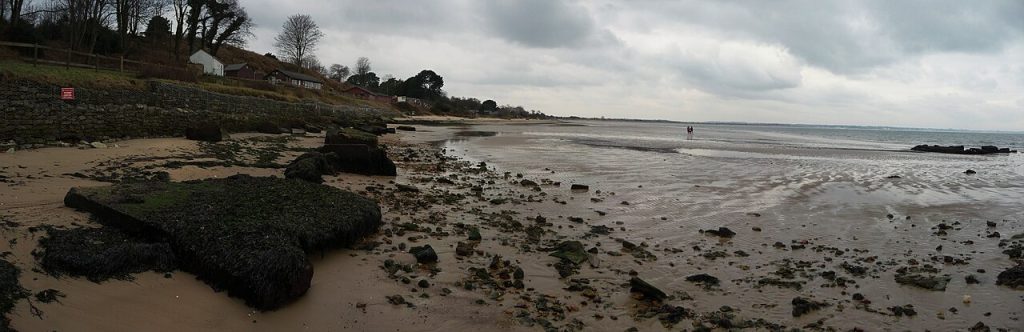
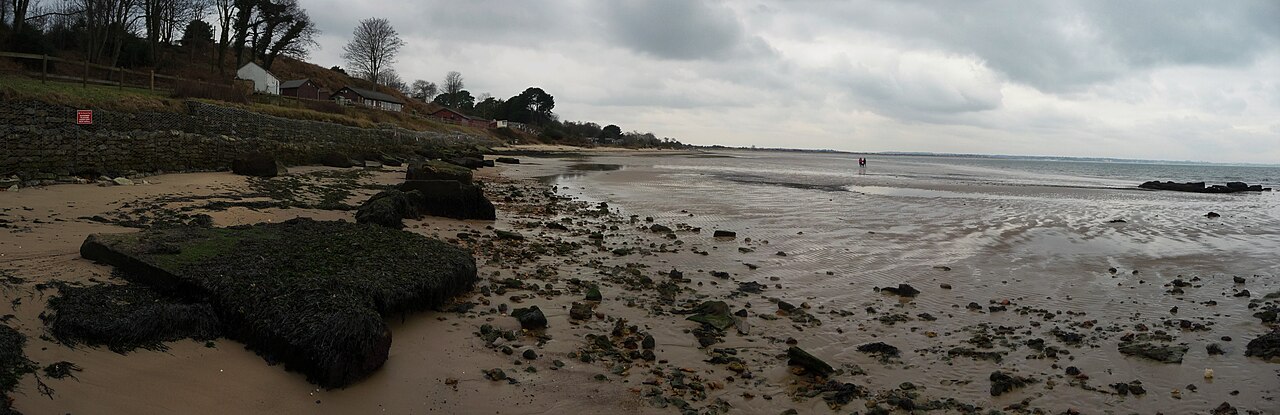
You’ve packed the towels, loaded the boot, and driven two hours to a beach that looked perfect online, only to spot the sign: “No dogs May to September.” Your dog spots the seagulls and couldn’t care less about signage, but you’re the one who has to turn the car around.
The UK has hundreds of beaches where dogs are genuinely welcome, not just tolerated in a roped-off corner next to the bins. We’ve pulled together the best dog-friendly beaches UK wide, 18 of them, organised by region, with honest notes on what to expect when you get there. This is our national roundup, and we’ll be publishing detailed regional beach guides throughout the year, so bookmark this page and check back.
Table of Contents
Cornwall
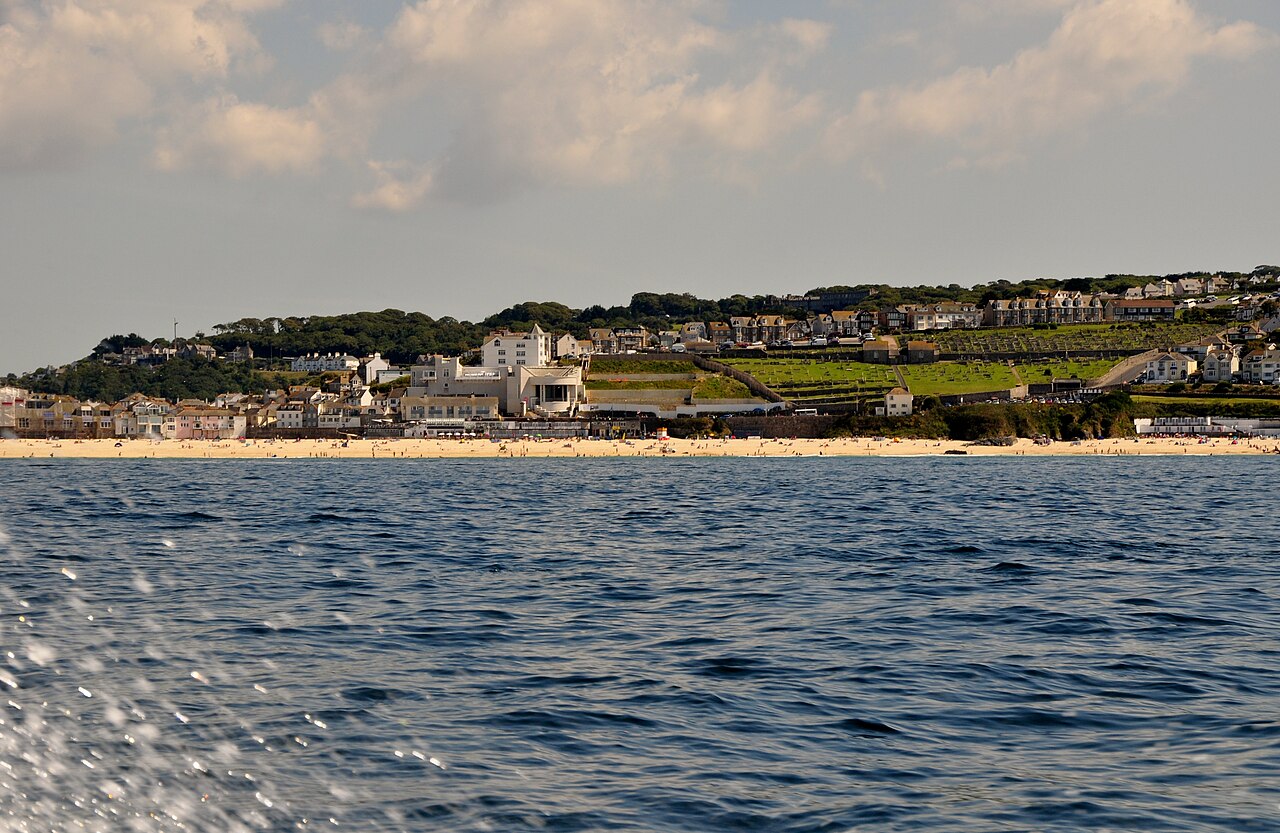

Cornwall has more dog-friendly coastline than you’d expect, and it regularly turns up on lists of the best dog-friendly beaches UK-wide, given how packed it gets in August. The trick is knowing which beaches drop their restrictions and which never had them in the first place.
Sennen Cove
Sennen Cove sits near Land’s End and feels like the edge of the world, which it more or less is, and it’s often shortlisted among the best dog-friendly beaches UK guides mention first. Dogs are welcome year-round on the northern end, the sand is firm, and the waves are decent enough that your dog will immediately attempt something heroic. There’s enough space that you won’t spend the afternoon apologising to every picnic blanket within a hundred metres.
Perranporth
Perranporth is three miles of flat, open sand, one of the best dog-friendly beaches UK visitors discover almost by accident, and even in peak summer you can find a quiet stretch if you walk ten minutes from the main access point. Seasonal restrictions apply to part of the beach, typically Easter to October, but there’s always a dog-friendly section available. It’s the kind of beach where you can actually let your mind wander because the space does the supervising for you.
Constantine Bay
Rock pools that will keep a water-obsessed dog busy for hours, and one of the more exposed beaches on this list, so check the tide times before you go, though it still ranks among the best dog-friendly beaches UK-wide for water-mad dogs. Dogs are restricted on part of the beach during summer months. If you have a breed that considers every pool a personal swimming challenge, bring a towel. Bring two towels.
Planning a longer stay? Our dog-friendly holidays in Cornwall guide covers cottages near these beaches.
Devon
Devon does two things well: cream teas and wide sandy beaches, several of which rank among the best dog-friendly beaches UK-wide. Fortunately, dogs are welcome at both, and the cream teas don’t come with seasonal restrictions.
Woolacombe
Woolacombe regularly appears on “best beaches in the UK” lists, and for once the hype is justified. Three miles of sand backed by dunes, with year-round dog access at the north and south ends, though the middle section has seasonal restrictions. Most dogs make a beeline for the stream that runs across the sand, which is apparently more interesting than the entire Atlantic Ocean.
Bantham
Bantham is privately owned, which means the rules are straightforward and clearly posted at the entrance, and it’s a strong pick among the best dog-friendly beaches UK owners recommend to friends. Dogs are welcome off-lead outside the summer restriction period, with the estuary side offering shelter and the ocean side less so. It’s a proper beach, not a tourist operation with gift shops and queue management, and the lack of commercial pressure shows in how relaxed the atmosphere feels.
Saunton Sands
Saunton Sands stretches for three miles, rarely feels crowded even on a bank holiday weekend, and is a regular fixture on any list of the best dog-friendly beaches UK-wide. Dogs are allowed year-round, though there’s a seasonal on-lead zone near the main car park. Walk south for ten minutes and it’s just you, the dog, and a genuinely absurd amount of sand.
The Jurassic Coast
Dorset’s Jurassic Coast isn’t just for fossil hunters with tiny hammers and big ambitions. Some of its quieter stretches count among the best dog-friendly beaches UK visitors rarely associate with Dorset, ideal for dogs who want to investigate every rock pool and seaweed strand on the beach.
Studland’s Shell Bay
Studland’s Shell Bay is the kind of beach where dogs lose their minds slightly, and it’s a regular entry among the best dog-friendly beaches UK-wide. Flat sand, shallow water, and a ferry crossing to watch while your dog does that thing where they bark at boats as though their opinion matters. The National Trust manages it, and dogs are welcome year-round on Shell Bay itself, though the main Studland beach has seasonal restrictions on certain sections.
Charmouth
Smaller and more interesting than most beaches on this list, and quietly one of the best dog-friendly beaches UK travellers pass over for the bigger names. The beach is pebbly in places with patches of sand at low tide, and dogs can explore the rock pools while you pretend to look for fossils. Year-round access, though some seasonal restrictions apply near the Heritage Coast Centre. It’s worth noting that Charmouth and Shell Bay are about an hour apart by car, so if you’re touring Dorset with a dog, you could hit both in a long day and still have time for a cream tea somewhere in between.
Wales
Welsh beaches are dramatically underrated. Less crowded than the English south coast, often more scenic, and generally more relaxed about dogs, which may have something to do with the fact that half the population owns a working sheepdog. It’s not a stretch to say Wales holds some of the best dog-friendly beaches UK-wide.
Rhossili Bay
Regularly voted one of the best beaches in Europe, and you can see why the moment you reach the cliff edge. Three miles of sand beneath dramatic cliffs on the Gower Peninsula, dogs welcome year-round, off-lead. The walk down is steep, which keeps the crowds manageable and gives your dog that manic burst of speed when they finally reach the sand. The view is entirely wasted on them, obviously, but you’ll want to stand there for a minute.
Barafundle Bay
Barafundle Bay requires a half-mile walk from the nearest car park, which filters out anyone who isn’t committed to the idea of actually reaching a beach, and it’s consistently ranked among the best dog-friendly beaches UK-wide. Sheltered cove, clear water, golden sand, and dogs welcome year-round. It feels remote despite being in Pembrokeshire, and the walk in gives it a sense of occasion that a drive-up beach simply can’t match.
Whitesands Bay
Whitesands Bay near St Davids is popular with surfers and dogs alike, and it earns its spot among the best dog-friendly beaches UK-wide, with a seasonal dog ban on part of the beach (typically Easter to October) but the northern end staying open throughout. The sand really is white, the water really is cold, and the sunsets are the kind you’d photograph if your dog would stop jumping in front of the camera.
Norfolk and Suffolk
Nobody talks about the East Anglian coast the way they talk about Cornwall, and honestly, that’s half the appeal. No traffic queues on the A30, no arguments about cream-first-or-jam-first, just wide skies and enormous beaches with enough space for every dog in the county to run simultaneously without ever meeting, and a quiet claim to some of the best dog-friendly beaches UK holidaymakers overlook.
Holkham Beach
Not “quite big” vast, but genuinely enormous, and easily one of the best dog-friendly beaches UK-wide for sheer scale. You reach it through a pine forest, which already feels like an adventure before you’ve even seen the sea. Dogs are welcome year-round, and even on a busy bank holiday there’s space to throw a ball without hitting a stranger. The Nature Reserve section has seasonal on-lead requirements to protect nesting birds, but the main beach is off-lead territory that seems to stretch to the horizon.
Wells-next-the-Sea
Wells-next-the-Sea is just along the coast from Holkham and equally spacious, another of the best dog-friendly beaches UK visitors underrate, with photogenic beach huts, sand that goes on forever at low tide, and plenty of room for dogs. Seasonal restrictions apply near the main beach entrance, but walk east and it opens up into the kind of space where you stop worrying about your dog’s recall because there’s nothing for miles except sand and sky.
Yorkshire
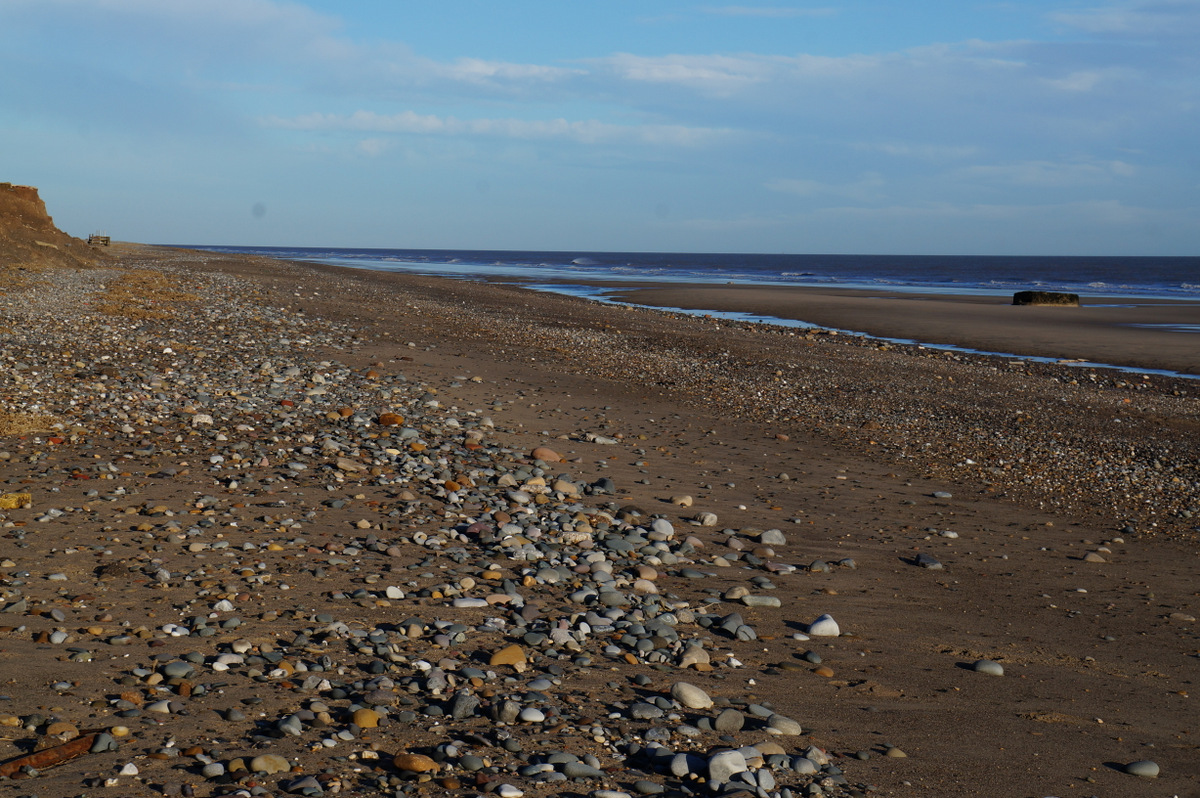

The Yorkshire coast is underused and brilliant, backed by cliffs, with better fish and chips, more straightforward dog rules, and a fair claim to some of the best dog-friendly beaches UK visitors consistently underrate, than most of the country.
Sandsend
Sandsend, just north of Whitby, is a two-mile stretch of firm sand that’s popular with dog walkers year-round, with no seasonal restrictions at all, and it’s often overlooked on lists of the best dog-friendly beaches UK-wide. At low tide you can walk the full stretch to Whitby along the sand, which sounds great until your legs remind you that Whitby is two miles away and you’ve left the car at Sandsend and your dog shows no sign of wanting to turn around.
Robin Hood’s Bay
Robin Hood’s Bay is more dramatic than practical, and it still counts among the best dog-friendly beaches UK-wide for dogs who like a challenge. Rocky, tidal, and set below a village steep enough to test anyone’s knees, but dogs love it for all the reasons that make it awkward for humans: rock pools, seaweed, interesting smells in every crevice. Access can be tricky at high tide, so time it right or you’ll be watching from the slipway while your dog stares at the sea with the betrayed expression of a child told the ice cream van has left.
Northumberland
If you want space, head north. Northumberland’s beaches are long, empty, and spectacular, with a sense of solitude that the southern coasts lost somewhere around 1985, and a fair claim to hosting some of the best dog-friendly beaches UK-wide.
Bamburgh Beach
Dogs are welcome year-round and can run off-lead beneath Bamburgh Castle, which makes every photo look like a film poster whether you planned it or not, and it’s a strong contender for the best dog-friendly beaches UK-wide. The sand is clean, the water is freezing even in August, and on a weekday outside school holidays you might have the whole beach to yourself. It’s the sort of place that reminds you why you own a dog in the first place.
Embleton Bay
Embleton Bay is reached via a walk from the village or the golf club car park, quieter than Bamburgh and just as beautiful, and arguably one of the best dog-friendly beaches UK-wide for a peaceful morning. Dogs welcome year-round, off-lead, with dunes providing shelter on windy days and rock pools at the northern end near the Dunstanburgh Castle ruins. If you’re visiting Bamburgh, Embleton is twenty minutes up the coast and worth the detour, because two castle-backed beaches in one day is the kind of excessive behaviour that dog owners should feel entirely comfortable with.
Scotland
Scottish beaches are in a different category altogether. Remote, wild, and almost always dog-friendly because there’s nobody around to object, which suits both dogs and the kind of people who own them, and arguably delivers some of the best dog-friendly beaches UK dog owners will ever get to themselves.
Lunan Bay
Lunan Bay in Angus is a long red-sand beach backed by dunes and the ruins of Red Castle, dogs welcome year-round, and it’s one of the best dog-friendly beaches UK-wide north of the border. The water is properly cold even in August, but dogs charge in regardless because they have no concept of thermal regulation and apparently never will. You won’t find crowds here, or much of anything else besides sand, sky, and the sound of your dog discovering that seaweed moves when you step on it.
Sandwood Bay
A four-mile walk from the nearest road, with no facilities, no phone signal, and no other people most days, but it’s among the best dog-friendly beaches UK has if you’re prepared to earn it. If your dog can handle the hike, it’s one of the most beautiful beaches in Britain, the kind of place that travel supplements photograph from helicopters. Getting there and back is a proper day out, so bring water for both of you, food, and the acceptance that your dog will sleep in the car for approximately six hours afterwards.
Best Dog-Friendly Beaches UK: Understanding the Rules
Beach dog restrictions in the UK are a patchwork with no national standard, which is exactly why knowing the best dog-friendly beaches UK-wide matters more than guessing, since every council does it differently and you can’t assume that rules at one beach apply to the next.
Seasonal bans typically run from Easter to the end of September or October. Some beaches ban dogs entirely during this period, while others create zoned areas where dogs are still welcome, usually at the quieter ends away from the main access points.
PSPOs vs bylaws. Public Spaces Protection Orders have largely replaced the old dog control bylaws. They’re legally enforceable, with fixed penalty notices typically around 100 pounds, and councils must review them every three years, so restrictions can and do change.
Off-lead versus on-lead varies too, another reason the best dog-friendly beaches UK-wide are worth researching before you set off. Some beaches allow dogs but require leads, others are fully off-lead, and a few have mixed zones where the rules change depending on which section of sand you’re standing on. The signage is usually clear, but not always, so when in doubt keep your dog on a lead until you’ve read the signs at the access point.
Year-round beaches do exist, and we’ve highlighted several in this guide, but “year-round” doesn’t always mean “off-lead year-round.” Check before you assume.
Our BowWow Score rates every property we list on how genuinely dog-friendly it is, including proximity to year-round dog beaches.
Tips for Beach Days With Dogs
Bring fresh water. Salt water causes vomiting and diarrhoea, and most dogs will drink seawater given the chance, because most dogs have terrible judgement about liquids. A collapsible bowl and a bottle of tap water in your bag saves everyone a miserable drive home.
Rinsing after swimming is worth the thirty seconds it takes. Salt and sand irritate skin, especially in folds and between toes, and a quick rinse at the beach tap or a jug of fresh water in the boot saves you cleaning the bathroom later when your dog decides to solve the problem by rolling on your bath mat.
Check tide times. Some beaches on this list, particularly Robin Hood’s Bay and parts of the Jurassic Coast, can cut off access at high tide. The Magic Seaweed or Tide Times apps are useful, and most beach car parks have tide tables posted near the entrance.
Dogs near cliff edges are a genuine risk, especially breeds that chase birds with more enthusiasm than spatial awareness. Keep dogs on leads near cliff paths and don’t let them explore unstable sections, because a dog who spots a gull on a cliff face doesn’t pause to assess structural integrity.
Sand temperature matters on sunny days. If it’s too hot for your bare feet, it’s too hot for their paw pads, so stick to the wet sand near the waterline where the waves keep it cool.
And budget time for the car park meltdown where your soaking wet dog rolls in the one muddy patch within a hundred metres of the car, then tries to climb onto the back seat as though nothing happened. This isn’t a bug, it’s a feature of dog ownership, and fighting it only makes it worse.
Frequently Asked Questions
Are dogs allowed on UK beaches all year round?
It depends on the beach. Many UK beaches have seasonal dog bans, typically from Easter to September or October, while others are dog-friendly year-round. This guide highlights beaches with year-round access, but always check current signage when you arrive because councils can and do update restrictions without much fanfare.
Do dogs have to be on leads at the beach?
Not always, and it varies more than you’d expect. Many beaches allow off-lead dogs, while others require leads in certain zones or during certain months. PSPOs set the rules locally, and they differ by council, so what applies at one beach might not apply at the next one along the coast.
Which region has the most dog-friendly beaches?
Northumberland and Scotland consistently offer the most relaxed dog access, largely because the beaches are quieter and restrictions are fewer. Cornwall and Devon have excellent beaches too, but seasonal bans are more common due to higher tourist numbers. If you want guaranteed year-round, off-lead access with minimal company, head north of Yorkshire.
Looking for somewhere to stay near these beaches? Browse our dog-friendly holiday cottages in Cornwall, pet-friendly cottages in the Lake District, or explore dog walks near Cotswolds cottages.
We’ll be adding detailed regional beach guides throughout the year, with specific access notes, parking details, and nearby dog-friendly pubs. Check back or sign up for our newsletter to get them first.