The first thing most dog owners searching for dog-friendly cottages fenced garden listings check isn’t the view or the hot tub or whether there’s a dishwasher. It’s whether the garden is actually fenced, because “enclosed garden” on a listing can mean anything from a six-foot walled courtyard to a hedge with a suspicious gap that your terrier will find within thirty seconds of arriving, probably while you’re still unloading the car.
A properly fenced garden changes the entire shape of a holiday. Your dog can go out at 6am without you pulling on boots, you can sit outside with a cup of tea without one eye permanently on the gate, and you don’t spend the first hour of every morning doing a perimeter check for escape routes. It’s the single most requested feature among dog owners booking holiday accommodation, and for good reason.
Table of Contents
Why Dog-Friendly Cottages Fenced Garden Setups Matter More Than You’d Think
It’s not just convenience, though the convenience is real and significant. In rural areas, an unfenced garden means your dog has access to roads, livestock fields, and whatever wildlife happens to be passing through at dawn. In Cornwall, that might be sheep. In the Lake District, definitely sheep. In the Cotswolds, also sheep. There’s a theme across most of the popular dog-walking regions, and it’s woolly and easily startled.
During lambing season, which runs roughly February to May depending on the farm, a dog that gets into a field with ewes and lambs isn’t just a nuisance. Farmers have the legal right to shoot dogs worrying livestock, and some will exercise it. This is exactly why dog-friendly cottages fenced garden setups matter so much near farmland: a secure garden means that worst-case scenario stays firmly theoretical, which is where you want it.
Then there’s the practical reality of holidays with older dogs, puppies, or dogs who are still learning recall. Not every dog can be trusted off-lead in an unfamiliar setting, and that’s fine, that’s normal, that’s most dogs when they first arrive somewhere new. A fenced garden gives them outdoor time without the stress, for you and for them, and it means the first evening of your holiday isn’t spent wondering whether the dog remembers what “come” means in this particular field.
The BowWow Score weights garden security heavily for exactly these reasons. For most dog owners, it’s not a nice bonus. It’s what makes the difference between a relaxing week and seven days of constant vigilance.
What Counts as “Fenced”?
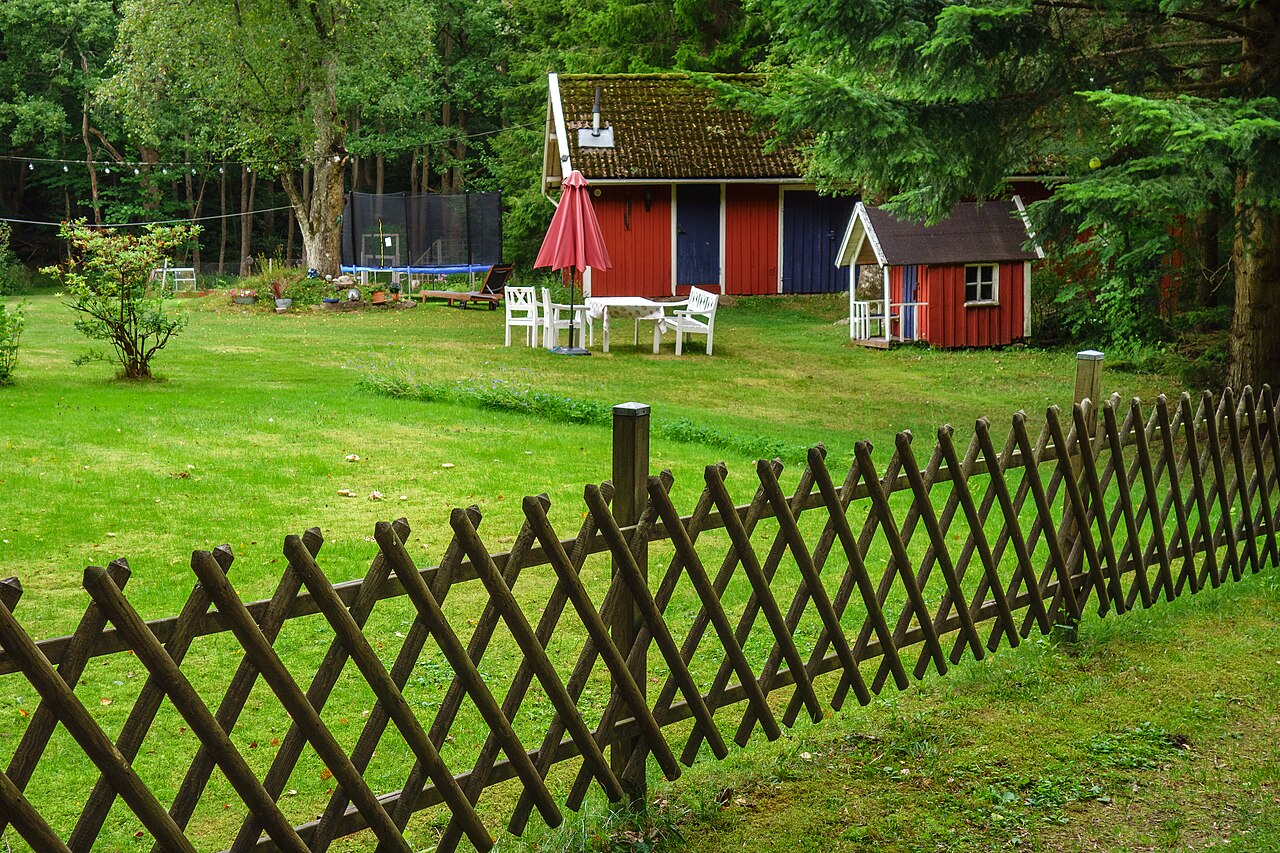
This is where listing descriptions get creative, so here’s a quick decoder for the language you’ll encounter when you’re scrolling through cottage sites at midnight trying to find somewhere for August. Not every listing that says it’s secure is describing genuine dog-friendly cottages fenced garden setups, so it pays to know the difference before you book.
Fully enclosed/walled garden is the gold standard. Solid walls or fences all the way round, with a secure gate that actually latches. Your dog can’t see through it, can’t dig under it, can’t jump over it. Unless you’ve got a particularly ambitious Springer Spaniel, in which case, honestly, good luck with any boundary under about eight feet.
Fenced garden usually means post-and-rail or panel fencing, and you should check the height before booking. A 3-foot fence is purely decorative for anything bigger than a Dachshund, and even some Dachshunds would consider it more of a suggestion than a barrier.
Enclosed garden is vague on purpose. Could mean hedging, which always has gaps no matter how thick it looks in the photos. Could mean a combination of wall, fence, and “the neighbours don’t mind.” Ask the owner to confirm exactly what form the enclosure takes before you commit.
Garden with gate just means there’s a gate somewhere in the equation, and it tells you nothing about whether the rest of the boundary is secure or even exists.
“Mostly enclosed” is not enclosed. If the listing says “mostly,” your dog will find the gap before you’ve finished your first cup of tea. Treat “mostly” as “not” and you won’t be disappointed.
When in doubt, message the owner directly. A genuinely dog-friendly property owner won’t mind the question, and they’ve probably answered it fifty times already this month. Hosts who market dog-friendly cottages fenced garden accommodation seriously tend to have the answer ready before you even finish typing.
Properties with Fenced Gardens on BowWowsWelcome
Here are some of the properties on bowwowswelcome.com with confirmed fenced or enclosed gardens. Each has been checked against the listing details rather than just the marketing language, because the whole point of a directory of dog-friendly cottages fenced garden listings is that the claims hold up when you actually arrive.
Rosemoor Manor, Torrington
Devon. BowWow Score: 60. Up to 4 dogs welcome, which is generous by any standard, and the fenced garden connects directly to dog walking routes from the property. It’s one of the better examples of dog-friendly cottages fenced garden listings getting the detail right: the pet policy reads like it was written by someone who actually owns dogs and has had the “is the garden secure” conversation enough times to get specific about it.
Dune Cottage, Wells-next-the-Sea
Norfolk. BowWow Score: 55. Up to 2 dogs. The fenced garden comes with an unusual but endearing caveat: dogs must be kept on lead in the garden because of resident hedgehogs, which is both responsible and genuinely charming. It’s a ten-minute walk to Holkham Beach, which is dog-friendly year-round and one of the best stretches of sand in England.
Sandcastle Lodge, Bamburgh
Northumberland. BowWow Score: 55. Up to 2 dogs. Fenced garden with beach access nearby, one of the more coastal-facing dog-friendly cottages fenced garden entries on our books. Bamburgh Beach is regularly cited as one of the finest in England, and your dog’s allowed on it, which puts it ahead of quite a few better-known beaches that ban dogs for half the year.
Oaklands Farm, Bakewell
Peak District. BowWow Score: 50. Up to 3 dogs. This is a working farm with a fenced garden and walking routes straight from the property into the Peak District countryside, so your dog gets the benefit of both secure outdoor space at the cottage and proper adventure walks without needing to drive anywhere. It’s the sort of pairing that makes the best dog-friendly cottages fenced garden stays worth the drive. Bakewell itself is worth a wander too, and the pudding shop is better than the one in the tourist guides.
Tinners Cottage, Zennor
Cornwall. BowWow Score: 50. Up to 1 dog. Fenced garden in a coastal village right on the South West Coast Path. The Tinners Arms pub is essentially next door for post-walk refreshment, and they welcome dogs, which means you can go from walk to garden to pub without ever needing the car.
Browse all fenced garden properties at bowwowswelcome.com and filter by region, number of dogs, and BowWow Score to find something that matches your requirements and your dog’s talent for finding gaps in hedges. The list of dog-friendly cottages fenced garden properties grows every month as more owners submit verified details.
What to Check Before Booking
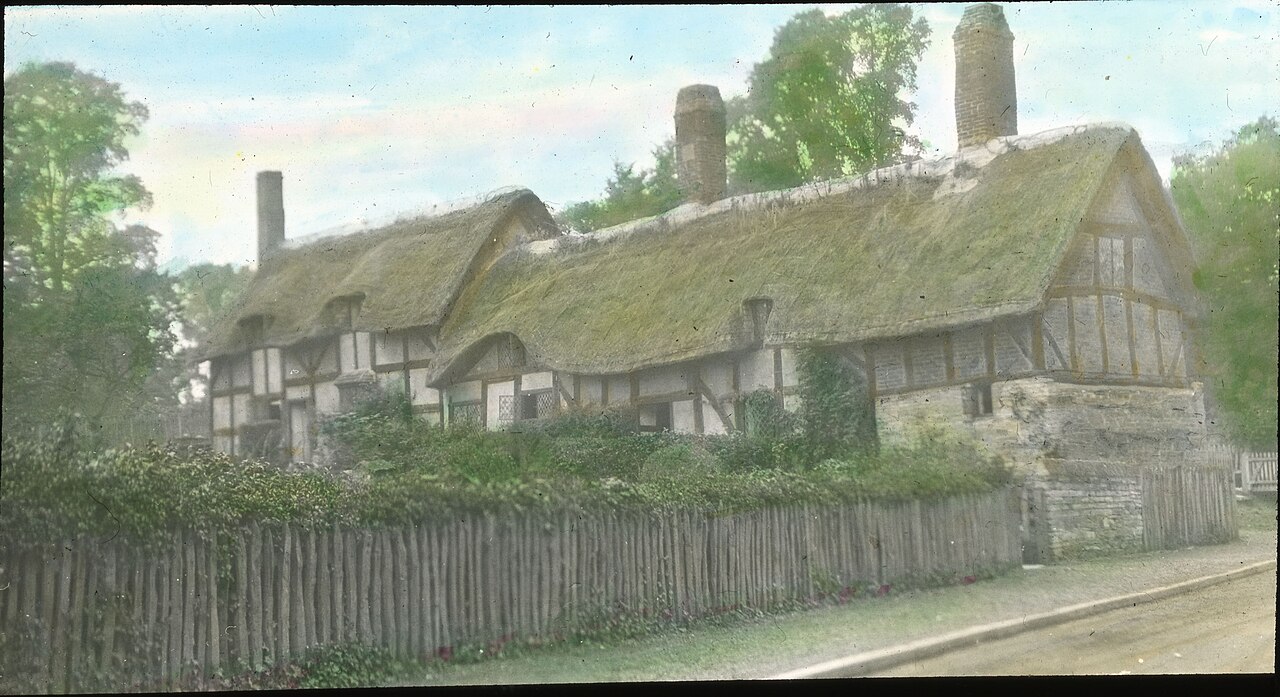
Beyond confirming the garden is actually fenced (and not just “mostly enclosed,” which we’ve already established means “not”), there are a few things worth asking the owner about before you hand over your deposit. These questions matter whether you’re comparing dog-friendly cottages fenced garden options in Cornwall or the Cotswolds, because the same weak points show up everywhere.
Fence height matters more than most listings acknowledge. If you’ve got a jumper, you need to know whether it’s 4-foot stock fencing or 6-foot solid panels, because that’s not a subtle difference and your dog knows it.
Gate security is the weak point of most otherwise secure gardens. Does the gate latch properly? Is there a bolt or just a push-open handle that your dog will figure out by day two? Some cottage gates are designed for humans who use both hands, not for dogs who’ve spotted a cat across the lane and have strong feelings about it. This is often what separates genuinely dog-friendly cottages fenced garden setups from ones that just look secure in the photos.
Ground conditions are easy to overlook. Sandy soil and low panel gaps are an open invitation for any terrier with a project, and you’d be surprised how quickly a determined digger can excavate a route to freedom. Worth a quick message to the owner about it if your dog-friendly cottages fenced garden shortlist includes anywhere with sandy or loose ground and your dog has form for digging.
Shared or private is a distinction that listings sometimes blur. Some properties say “enclosed garden” but it’s shared with neighbouring cottages or the owner’s house, which isn’t the same thing at all if your dog is territorial or reactive around unfamiliar dogs.
Livestock proximity is the one people forget to ask about. A fenced garden next to a sheep field means your dog can see and smell the sheep all day, every day. Some dogs handle this with admirable indifference. Others will spend the entire holiday barking at the fence line, which isn’t relaxing for anyone involved, including the sheep. It’s a detail worth checking on any dog-friendly cottages fenced garden shortlist before you commit to a rural stay.
Frequently Asked Questions
Do all dog-friendly cottages have fenced gardens?
No, and plenty of excellent dog-friendly properties don’t have gardens at all. Beach houses, apartments, and urban properties can still score well on the BowWow Score through other factors like walking access, amenity provision, and generous pet policies. But if a fenced garden is your non-negotiable, and for many dog owners with escape-prone or recall-challenged dogs it absolutely is, filter for it specifically on bowwowswelcome.com.
Is there an extra charge for using the garden with dogs?
Rarely. The pet fee, which typically runs £20-£50 per stay, usually covers garden use along with everything else. Some properties ask you to clean up after your dog in the garden, which is fair enough and shouldn’t need stating. A handful restrict garden access at certain times, and these details are in each individual listing.
What if the listing says “enclosed garden” but it isn’t secure?
Contact the property owner before booking to clarify exactly what “enclosed” means in their case. If you arrive and the garden isn’t as described, let us know, because the BowWow Score is only as good as the information behind it and we want it to be accurate. A property listed with a fenced garden that turns out to have a hedge with gaps will see its score adjusted once we’re aware of the discrepancy.
Can I leave my dog in the garden unsupervised?
Even in a fenced garden, this depends entirely on the property’s rules and your dog’s temperament. Some owners ask that dogs aren’t left in the garden alone due to noise, escape risk, or liability concerns, and that’s reasonable. Others are happy for dogs to use the garden freely at any hour. Check the specific listing before you assume, and be realistic about your own dog while you’re at it. That fence might be secure, but if your dog barks non-stop when left outside, the neighbours won’t care about the fence height.
Which regions have the most cottages with fenced gardens?
Cornwall, Devon, the Lake District, and the Cotswolds all have strong selections, and rural properties tend to be more likely to have fenced gardens than coastal or urban ones simply because they have the space. Browse by region on bowwowswelcome.com and filter for fenced gardens to see what’s available where you want to be. We’ve also got detailed guides for Cornwall, the Lake District, and the Cotswolds if you want to read more about the area before committing. Wherever you look, dog-friendly cottages fenced garden options tend to cluster where farmland and coast meet.