You have packed the car three times. The boot is full, the back seat is full, and your dog is sitting on a cool bag looking at you like this is all perfectly normal. Sound familiar?
The thing is, half of what you packed last time probably stayed in the bag. And the one thing you actually needed (the tick tweezers, the spare lead, the towel that wasn't white) got left on the kitchen counter. So here is a proper what to pack dog holiday list, built around what dog owners on cottage holidays actually use, not a Pinterest-worthy flat lay of matching travel accessories.
Table of Contents
What to Pack Dog Holiday: The Non-Negotiables
Some of this is obvious, but it is worth writing down because the obvious stuff is exactly what gets forgotten at 6am on a Saturday.
Their usual food, plus extra. Bring enough for the full trip and then two more days' worth. Cottage holidays have a way of extending, and hunting for a specific brand of grain-free kibble in a rural Cornish village is not how you want to spend a morning. If your dog eats wet food, bring a tin opener. (It will not be in the cottage cutlery drawer. Trust this.)
Water bowl and a portable one for walks. Collapsible silicone bowls weigh nothing and clip onto a bag. Most cottages provide a water bowl, but yours has the advantage of smelling like home.
Lead, collar with ID tag, harness. A legal requirement in the UK for the ID tag, but also: bring a spare lead. Leads break, get lost in long grass, or end up covered in something unspeakable. A cheap backup lead in the car is worth its weight.
Poo bags. More than you think. Then more again. Rural walks near holiday cottages tend to be longer than your usual loop, and running out two miles from the car is a specific kind of stress nobody needs. Getting this part right early makes the rest of the what to pack dog holiday routine much less stressful.
Food and Treats
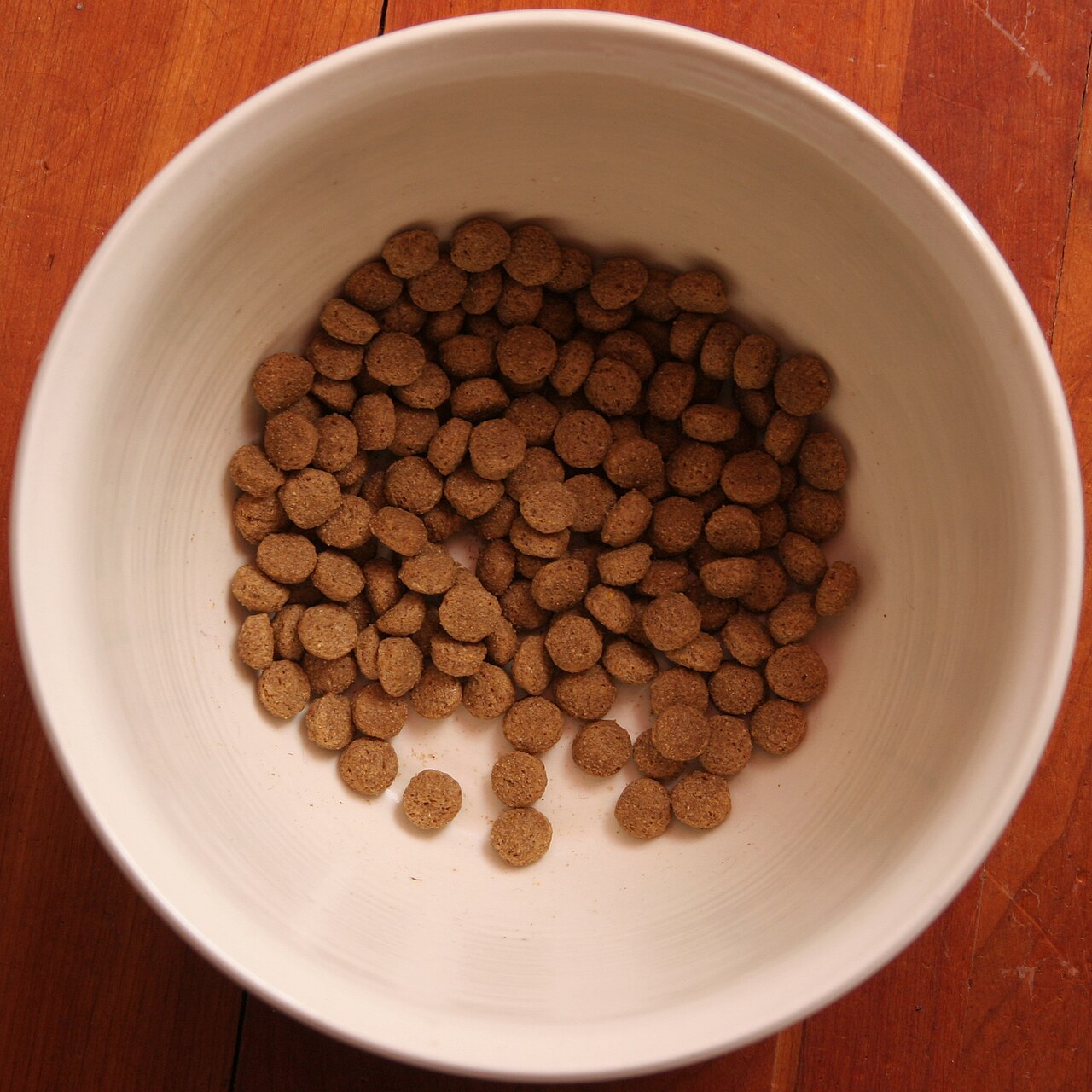
Beyond the main meals, think about what keeps your dog settled in unfamiliar surroundings.
Familiar treats for reward and redirection. New environments mean new distractions. A pocket of high-value treats helps when your dog decides that the sheep in the next field look friendly, or that the cottage cat is a potential playmate.
A Kong or lick mat. If you are planning any meals out (even a pub lunch in the garden), something that keeps your dog occupied for twenty minutes is not optional, it is survival. Stuff a Kong the night before and freeze it. You will thank yourself when you are trying to read a menu while your dog stares at the table next to you.
Their usual food bowls. Some dogs will eat out of anything. Others look at an unfamiliar bowl like you have personally insulted them. Know your dog, and it’s a small line on any what to pack dog holiday list that’s easy to skip until day one turns into a hunger strike.
Comfort and Sleep
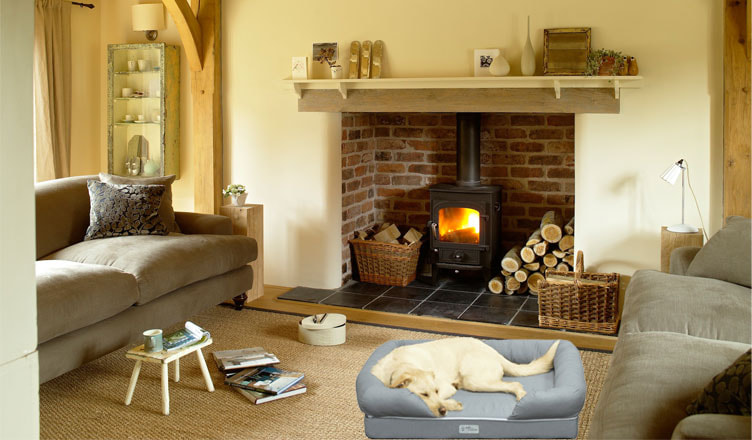
Dogs are creatures of habit, and a strange house can unsettle even the most laid-back retriever. Sorting the sleep set-up is one of the simpler calls on a what to pack dog holiday list, and it changes how fast they settle in.
Their bed or a familiar blanket. This is the single most effective thing you can bring. A cottage bedroom smells different, sounds different, has different light patterns. Their own bed says "this is fine, we live here now." If the bed is too bulky, a blanket or towel they have been sleeping on works nearly as well.
A crate, if they use one. For dogs that are crate-trained, this is home base. Some properties on BowWowsWelcome note whether they are set up for crated dogs, which is worth checking before you arrive. A crate also means you can pop out for a coffee without worrying about what your dog is doing to the sofa cushions, and crates are often the one item that decides how the rest of a what to pack dog holiday plan comes together.
The Outdoor Kit
This is where cottage holidays differ from a night at your mate's house. You are probably going to spend most of your time outside, and the British weather has opinions about that.
Towels specifically for the dog. Not your towels. Not the cottage's towels. Your dog's towels. Dark ones, ideally, because a white towel after a beach walk becomes a forensic exhibit. Most properties appreciate guests who bring their own dog towels, and some of the better dog-friendly cottages will leave towels for exactly this purpose, but do not count on it. Towels sound minor, but they sit near the top of most what to pack dog holiday advice for good reason.
A drying coat or dog jacket. Controversial, maybe, but if you have a short-haired breed or a dog that takes forty minutes to dry naturally, a drying coat saves your car interior and the cottage furniture. Labs and spaniels that have just discovered a river need containment, not encouragement.
Paw wipes or a paw washer. Mud is the default state of a dog on a British holiday, and it rarely gets its own line on a what to pack dog holiday list even though it probably should. A quick paw wash at the door saves you from tracking it through the cottage, and saves the property owner from sending you a passive-aggressive message about the carpet.
A long line. If you are visiting an area where off-lead walking is limited (seasonal beach restrictions, livestock on moors, unfamiliar terrain), a 10-metre long line gives your dog room to explore without the risk. Check our guides on off-lead walks in Cornwall and the Lake District to plan ahead.
Health and Safety
Nobody wants to think about emergencies on holiday, but five minutes of preparation beats an hour of panic. It is the least exciting section of any what to pack dog holiday list, but it is the one that matters most if things go wrong.
Tick removal tool. Not optional if you are walking through bracken, long grass, or woodland anywhere in the UK. Ticks are most active from March to October, and holiday areas like Devon, Cornwall, and the Lake District are hotspots. A tick hook costs less than two quid and takes up no space.
Any regular medication. Obvious, but easy to forget in the rush to leave. Set a phone reminder for the morning of departure.
A basic first aid kit. Antiseptic wipes, gauze, a bandage roll, and saline eye wash. If your dog steps on a sharp shell at the beach or picks up a thorn on a woodland path, you want to clean it before the nearest vet opens in the morning. A kit like this rarely makes anyone’s what to pack dog holiday list until the year they actually needed it.
Your vet's contact number and pet insurance details. Save them in your phone. Also look up the nearest emergency vet to your destination before you go, not at 11pm when your dog has eaten something it found in a hedge.
Vaccination records. Not usually needed for UK cottage holidays, but some kennels and doggy daycare services near tourist areas ask for proof, so having a photo on your phone takes two seconds and might save you a headache.
What You Can Probably Leave Behind
Here is where most packing lists lose the plot. Not everything needs to travel with you, and a good what to pack dog holiday guide should tell you what to leave at home as clearly as what to bring.
The entire toy collection. Two or three favourites, max. Your dog is going somewhere new with new smells, new walks, and new things to investigate. They will not be bored. The toy basket can stay at home.
Fancy grooming kit. A brush, yes. The full spa experience, no. You are on holiday. The dog does not care about looking presentable.
Dog shampoo. Unless your dog has a skin condition that requires specific products, a rinse with water and a towel dry is fine for a week. Most of the dirt is going straight back on them tomorrow anyway.
Excessive bedding. One bed or blanket. Not three. Dogs are adaptable when they have one familiar thing to anchor them, which is one of the easier corners to cut on a what to pack dog holiday list once you trust your dog to cope.
What Good Properties Already Provide
This is where doing your homework pays off. Checking the property details before you finalise your what to pack dog holiday list can shrink it considerably. Many of the better dog-friendly cottages provide basics that save you packing space: food bowls, water bowls, poo bags, a towel or two, sometimes even a crate or stair gate. Properties listed on BowWowsWelcome include details about pet amenities, and the BowWow Score rates how seriously a property takes its dog-friendly credentials. A property with a high score is probably already set up with the essentials.
Check before you pack. A quick message to the host asking "what do you provide for dogs?" can cross half a dozen items off your list.
The Car Itself
Worth mentioning, because the journey is part of the holiday and it is the bit most dogs have the strongest opinions about. It rarely tops a what to pack dog holiday checklist, but the car set-up matters as much as anything you put in a bag.
A seat cover or boot liner. Non-negotiable if you value your car's resale value or, more realistically, if you do not want sand in every crevice until you sell it.
A harness seatbelt attachment or secured crate. It is a legal grey area in the UK (the Highway Code says dogs must be "suitably restrained"), but more importantly, it is a safety issue. An unsecured 30kg Labrador in a sudden stop becomes a projectile. Nobody wants that.
Water for the journey. Stop every two hours, offer water, let them stretch. Dogs overheat faster than you think, especially in summer, and it’s the last thing most people remember to add to a what to pack dog holiday list before pulling out of the drive.
FAQ
Do holiday cottages provide dog bowls?
Some do, and the better ones almost always will. Properties on BowWowsWelcome list what pet amenities they offer, so you can check before booking. When in doubt, bring your own. They are small and light.
How much dog food should I bring on holiday?
Enough for the full trip plus two extra days. Switching food mid-holiday because you ran out is a reliable way to give your dog an upset stomach, which is not ideal when you are sharing a cottage with limited outdoor access at 3am.
Should I bring my dog's crate on holiday?
If your dog is crate-trained and settles well in one, yes. It gives them a safe space in unfamiliar surroundings and gives you peace of mind when you need to leave the cottage briefly. Some cottages can accommodate crates more easily than others, so check the property details or ask the host.
What is the most forgotten item on a dog holiday?
Tick removal tools and spare leads, based on what dog owners consistently report. Both are cheap, both are small, and both are near-impossible to buy at 8pm in a rural village when you actually need them.